
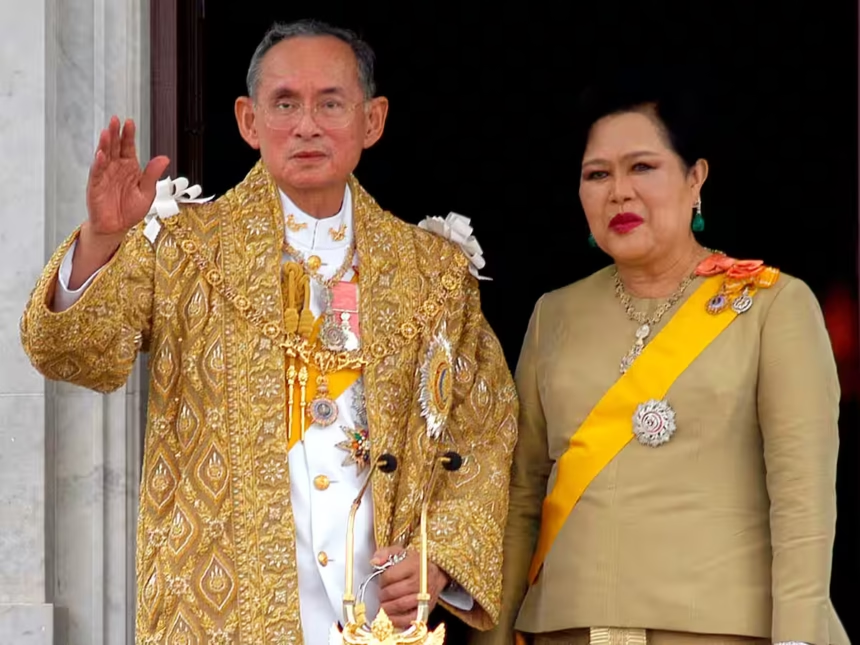
The recent legalization and decriminalization of cannabis around the world is not simply a matter of lifting the ban on recreational drugs or creating a new industry. At its core lies a fundamental question: how should the state treat those deemed “weak” or “deviant?” In this context, it is worth noting a certain governance philosophy that was quietly but consistently demonstrated in Thailand in the second half of the 20th century. This was the attitude embodied by King Bhumibol Adulyadej and Queen Sirikit: “not excluding the weak, but bringing them back into the system.”
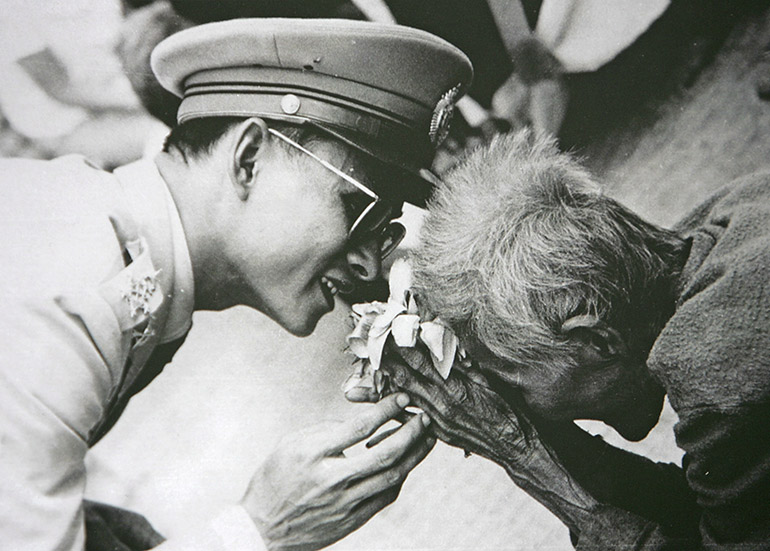
Northern Thailand during the Cold War: The "weak" were always targeted for exclusion
Between the 1950s and 1970s, the mountainous region of northern Thailand, centered around Chiang Mai, was an extremely difficult region for the state to handle. It was comprised of hill tribes (such as the Mon and Karen), ambiguous nationality and legal status, labeling them as “illegal” due to poppy cultivation and slash-and-burn agriculture, and wariness of communism and drug trafficking during the Cold War. In many countries, people who met these criteria would have been targeted for “suppression,” “exclusion,” or “forced relocation.” However, King Bhumibol chose not to expel them by force, but to rearrange them.
King Bhumibol: Designing a Nation to "Prevent Collapse"
What the king did was neither idealize the mountain people as good people nor protect them as victims. ● Treat them as enemies because of illegal crops → ✕● Shift them to a livelihood that does not conflict with the state → ○● Force them into the underground economy → ✕● Make them visible within the royal project → ○ This was later institutionalized as the royal project, expanding to alternative crops, infrastructure, distribution, healthcare, and education. The key is that the king did not impose his “righteousness.” What he protected was not the crops, but the position of the people so that they could not be completely cut off from the state.
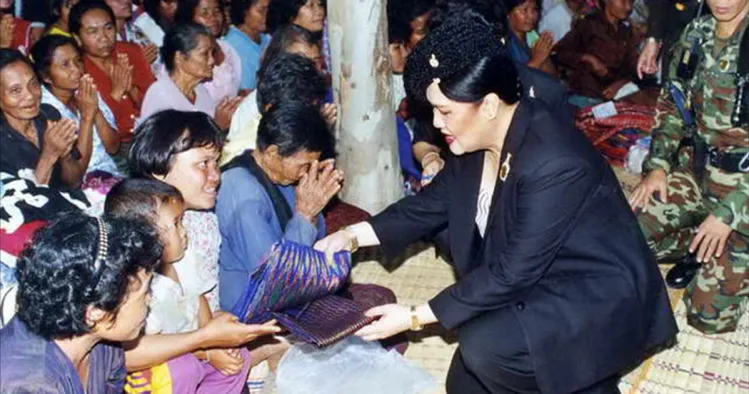
Queen Sirikit: Keeping "dignity" within the system
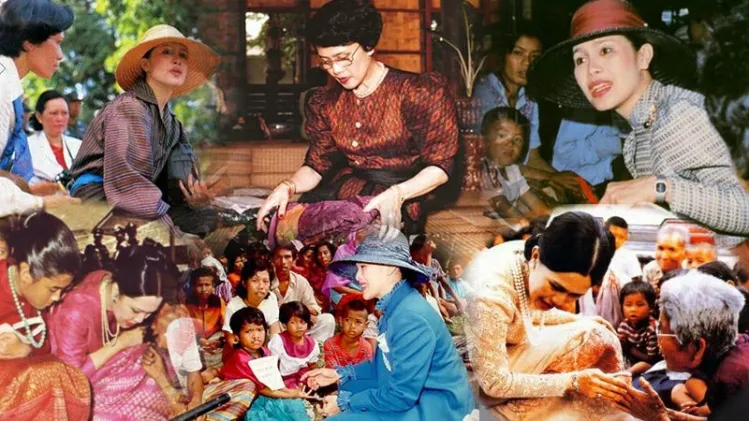
Queen Sirikit’s role, on the other hand, was closer to everyday life. She redefined the handweaving, dyeing, and crafts of hill tribe and rural women, the use of plants as a life skill, and women’s livelihood and pride as knowledge that needed to be protected, rather than as “backward culture” or “symbol of poverty.” These activities, exemplified by the SUPPORT Foundation, could be seen as a clear message that “you are not on the receiving end” rather than as support. This is a philosophy very similar to the emphasis on dignity and patient-centeredness that is seen in modern medicine and welfare.

The Vietnam War brought the United States a reality that could no longer be ignored
Let us now shift our focus to contemporary America. The Vietnam War posed more questions for American society than simply military defeat. What became visible among returning soldiers was the reality of physical and mental aftereffects, the difficulty of reintegrating into society, and drug use, including cannabis. What is important is that this did not emerge as a “foreign culture” or “fringe deviance,” but as a problem affecting young people and soldiers in the country itself. This experience deeply imprinted in American society the feeling that “prohibition and criminalization alone cannot deal with reality.” This can be seen as one of the psychological and social foundations that led to later drug policy shifts from moralism to institutionalism.
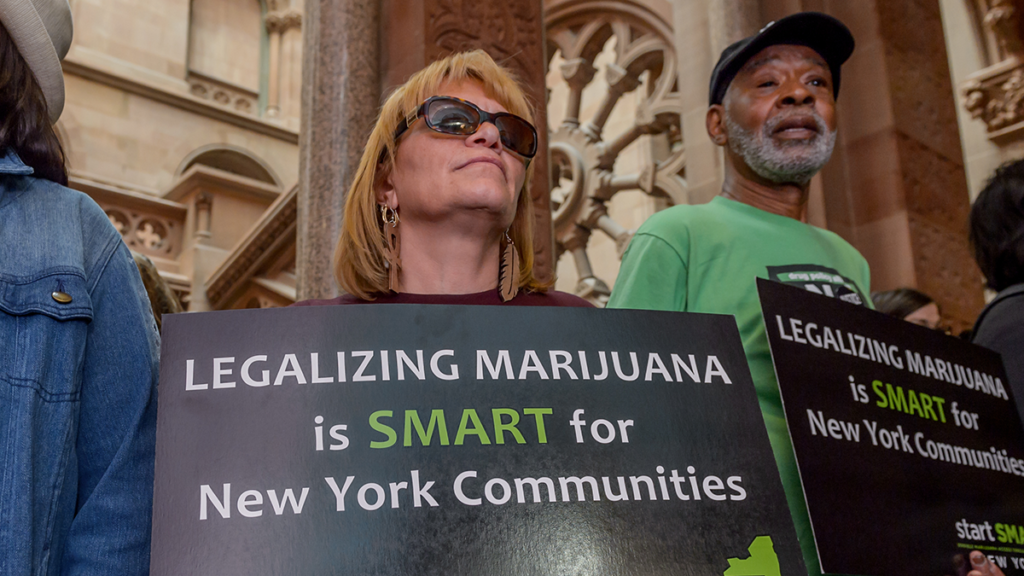
IdeoloLet us now shift our focus to contemporary America. The Vietnam War posed more questions to American society than simply military defeat. What became visible among returning soldiers was the reality of physical and mental after-effects, the difficulty of reintegrating into society, and drug use, including cannabis. What is important is that this did not emerge as a "foreign culture" or "fringe deviance," but as a problem affecting young people and soldiers from the country itself. This experience deeply imprinted in American society the feeling that "prohibition and criminalization alone cannot deal with reality." This can be seen as one of the psychological and social foundations that led to later drug policy shifting from moralism to institutionalism.gical resonance with the hemp legalization movement
The principles upheld by the modern hemp legalization movement are as follows: * Control over complete prohibition * Institutionalization over criminalization * Protecting dignity over judging users This has a structure strikingly similar to the governance demonstrated by King Bhumibol Adulyadej and Queen Sirikit in northern Thailand. What they have in common is not “how hemp is evaluated.” Exclusion and undergrounding further damage society, but the very basis for judgment: only by returning hemp to the system can it be controlled and restored.
Read it as resonance, not causation
もちろん、
プミポン国王やシリキット王妃が
麻合法化を構想していた、などとは言えない。
直接的な因果関係を示す証拠もない。
しかし、次のことは言える。
プミポン国王とシリキット王妃が示した
『弱者を排除せず、制度の内側に戻す愛』という統治の思想は、
今日の麻合法化ムーブメントに見られる
管理・非犯罪化・尊厳重視の倫理と、
驚くほど深く共鳴している。
それは、
誰かが誰かを動かしたという話ではない。
国家が何度も失敗しながら学んできた倫理が、
別の時代・別の文脈で再発見された
という物語である。
In lieu of a conclusion
麻合法化をめぐる議論は、
賛成か反対かという単純な対立に回収されがちだ。
だが本当に問われているのは、
次の一点に尽きる。
国家は、「正しくない」とされた人々を、
排除するのか、それとも戻すのか。
プミポン国王とシリキット王妃が示したのは、
答えではない。
しかし、
「排除しないという選択肢」が
現実的な統治として成立しうることを、
歴史の中で示した。
そしてその思想は、
今日、麻合法化という別の文脈において、
静かに、しかし確実に呼び戻されている。