Fighting for only one girl!

0.0001%, an incomprehensible figure.
The many desperate truths of the disease.

さらに詳しく

Why Japan?
How did this happen...?"

It is a leader's escape from the truth A proper understanding of marijuana and a sense of history. Because they are too scarce!!!!

Fighting for just one girl!"

in the national interest
80 years after the war, planted.
Once you get rid of stereotypes
I want to build a "New Tokyo.

I will not run away from the truth!!!!

TOKYO2024

Negative legacy? Solar panel mandates

It is predicted that by 2050, 70% of Tokyo’s residential buildings, and 50% overall, will be replaced by new construction. Against this backdrop, the Koike administration, in its second term, plans to implement a system that will require new buildings to install solar panels, insulation, and energy conservation starting in April 2025. This is a policy aimed at achieving a “carbon half,” a 50% reduction in greenhouse gas emissions in Tokyo by 2030, but the mandate is also linked to involvement in genocide, including forced labor in Xinjiang, where many solar panels are manufactured. In addition to the increased economic burden of construction costs and maintenance, some types of solar panels contain selenium, indium, and cadmium, which generate large amounts of toxic gases in the event of fire or disaster, and require time to extinguish. Some people are opposed to solar power generation due to concerns about solar power generation.

Under the system, major builders supplying more than 20,000 m2 of total floor space in Tokyo are obligated to install solar power generation equipment on newly constructed buildings. Another system is the Tokyo Metropolitan Government’s ordinance on rooftop greening, the “Nature Conservation Ordinance (Ordinance on the Protection and Restoration of Nature in Tokyo). Greening is mandatory for new construction and expansion of buildings on sites of a certain size. It is thought that 70% of Tokyo’s CO2 emissions come from building energy consumption in the business and residential sectors combined, and the calculation is to achieve “carbon half” by maximizing the use of the roofs of newly constructed buildings.

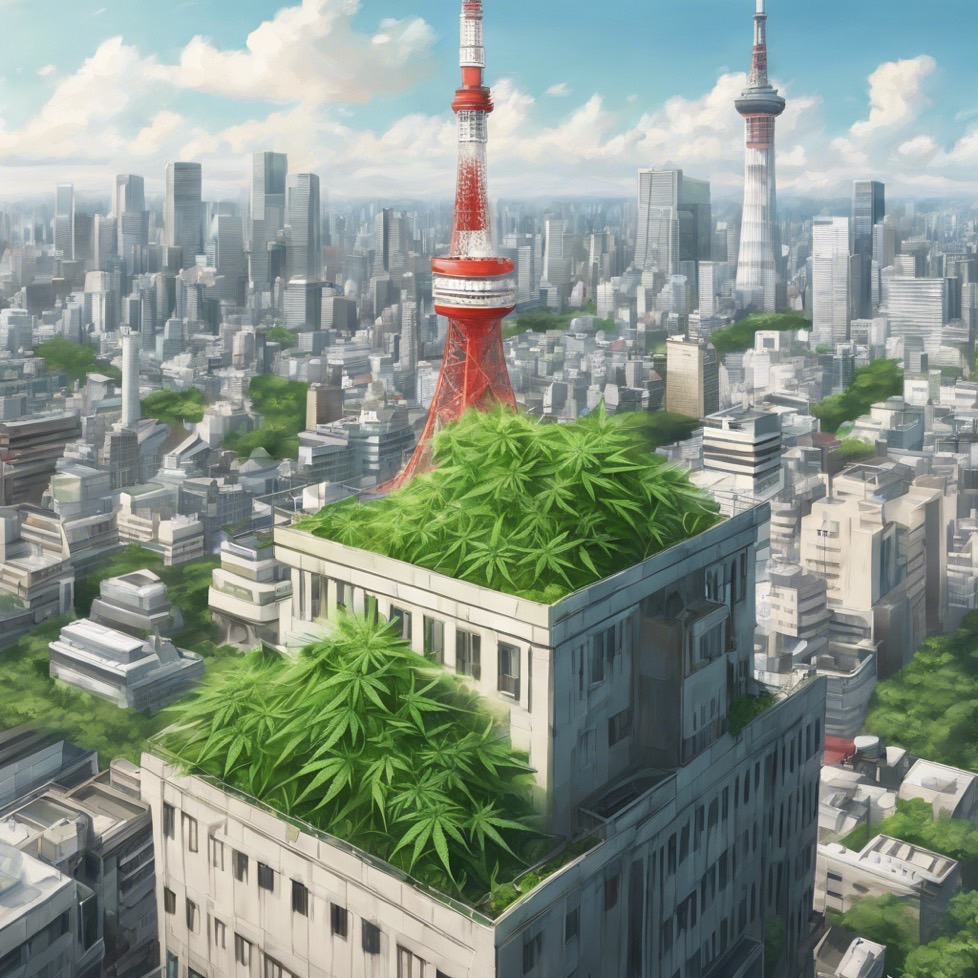
Phantom Tokyo 24 wards (rooftop wards) to the green land.

According to the report, “Understanding the Roof Area and Estimating the Potential Rooftop Greening Area in the 23 Wards of Tokyo” (Takeki Izumi and Hiroshi Matsuyama), the total roof area in the 23 wards of Tokyo is estimated to be 16,491 hectares, and the average percentage of rooftop greenable area in fireproof buildings is 77.6% %。屋上緑化可能面積は23区の全面積の約8% The total area available for rooftop greening is 4,917 hectares, or about 8 of the total area of the 23 wards. This is comparable to the 4,990 hectares in Edogawa Ward, and the Tokyo Metropolitan Government is attempting to utilize this area as the 24th “rooftop ward” in the phantom Tokyo Metropolis.

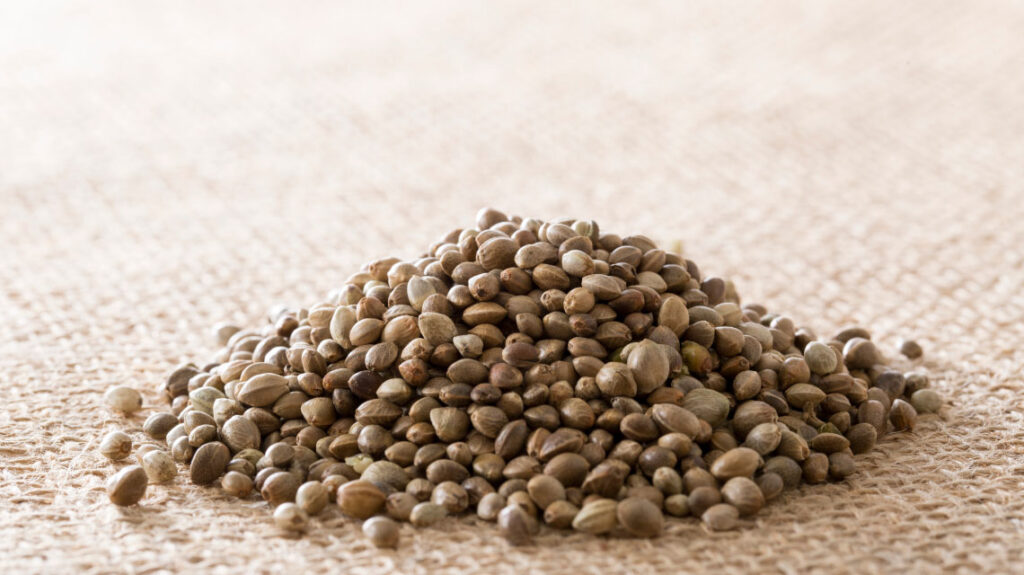
Tokyo "hemp seed" special zone concept

In order to promote the health of each and every resident of Tokyo by collecting and consuming hemp seeds, which are attracting attention as a superfood, the Tokyo Metropolitan Government will issue a Type 1 hemp seed cultivator’s license approved by the prefectural governor and promote health through the development of a social environment that supports the efforts of Tokyo residents. The Tokyo Hemp Fruit Special Zone (hereinafter referred to as the “Special Zone”) will continue to promote the “Tokyo Metropolitan Health Promotion Plan 21 (Third Phase)” (Plan period: from FY2024 to FY2035) (hereinafter referred to as the “Plan”) as a “prefectural health promotion plan” based on the Health Promotion Law established by the Tokyo Metropolitan Government in March 2024. The Plan aims to create a society in which everyone can live a healthy and enriched life throughout their lives, and the entire society will support the efforts of each and every Tokyo resident to create a healthy society where no one is left behind. In order to strongly promote the “Tokyo Metropolitan Health Promotion Plan 21 (Third Phase),” the special zone will set the goals of “extending healthy life expectancy” and “reducing health disparities” in the overall goals of the plan by utilizing marijuana, and will set goals in 18 areas in the three domains of the plan by utilizing marijuana. Based on the opinions of the Promotion Council, which consists of experts and representatives of related organizations deeply involved in the health of Tokyo residents, the plan will provide concrete descriptions of the initiatives expected of Tokyo residents and related organizations so that they can proactively and positively engage in health promotion, and will promptly clarify the direction of measures to be taken by the Tokyo Metropolitan Government to achieve the goals. The Tokyo Metropolitan Government will further promote the health promotion of the citizens of Tokyo based on these special zones. The special zones will comply with the law.
fight without running away

Solar panels are genocide on the roof

80% of the world’s solar panels are made in China
45% of the world’s solar grade silicon is made in Xinjiang Uygur Autonomous Region
In the Uyghur Autonomous Region, Uyghurs who believe in Islam are placed in concentration camps and treated as slaves….
さらに詳しく

Deep State hemp prohibition and propaganda

Former U.S. President Trump has pledged to destroy the Deep State. Among his supporters, the Deep State is perceived as a secretive force that never comes out into the open, manipulating politics and the economy behind the scenes. These forces include the military-industrial complex, international finance capital, and even Rothschild…

さらに詳しく

Realization of Tokyo Medical Marijuana Special Zone

The new law, scheduled to go into effect on October 1, 2024, will divide cultivation licenses into two categories: Type I cannabis cultivator’s license approved by prefectural governors and Type II cannabis cultivator’s license approved by the Minister of Health, Labor and Welfare. The “Type 1 Marijuana Cultivator License” granted by the prefectural governor will enable Tokyo to become one of the world’s healthiest, greenest, and most environmentally friendly cities. In addition, a “Type 2 Marijuana Grown Cultivator License” is also available….

さらに詳しく

Make Tokyo the most respected city in the world!

The Olympic Monuments are
Global Environment Consciousness
Marijuana as a raw material
Hemp Cleat Made in
(PARiS2024)

environmentally sustainable industry

Potential of Cannabis Fiber that Returns to the Soil
~Plastic pollution limits the oceans~.

Oceans of Plastic – 8 million tons of plastic are flowing into the oceans each year, and there are already 150 million tons of plastic in the ocean, according to the UN Environment…

さらに詳しく

All due to earth "soil degradation".

The solution is right under our feet. Yes, soil. It is not widely known that the earth can trap large amounts of CO2. In fact, healthy soil is…

さらに詳しく

I want you to "get it"!

In the world
Some countries are moving to true SDGs.

Growing countries are.
Cannabis as a beneficial "medical" and "material fiber
It is viewed as a

What we need now.
Not a 0.0001% non-tolerant argument!!!!

Tokyo to become the No. 1 sanctuary for sustainable materials, a global environmental venture company from Tokyo I want to save the world and create a path!

さらに詳しく

Making Tokyo the No. 1 material sanctuary

Tokyo companies with materials
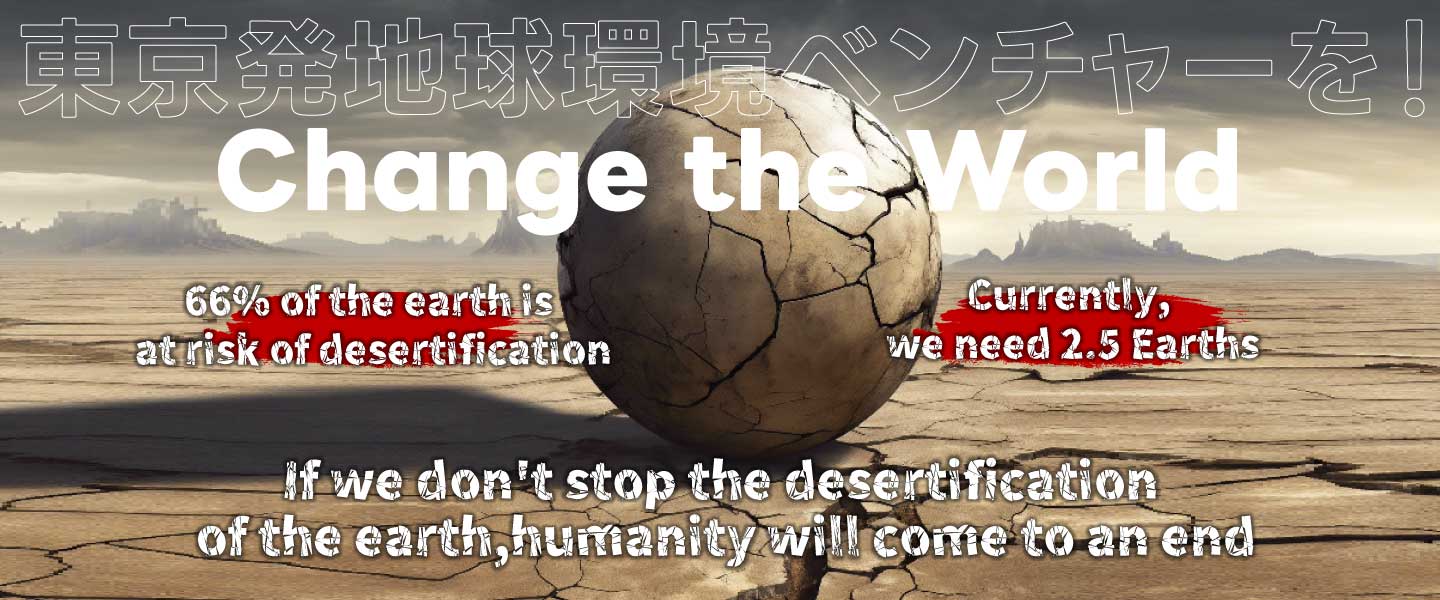
Saving the World from Desertification

Creating new industries

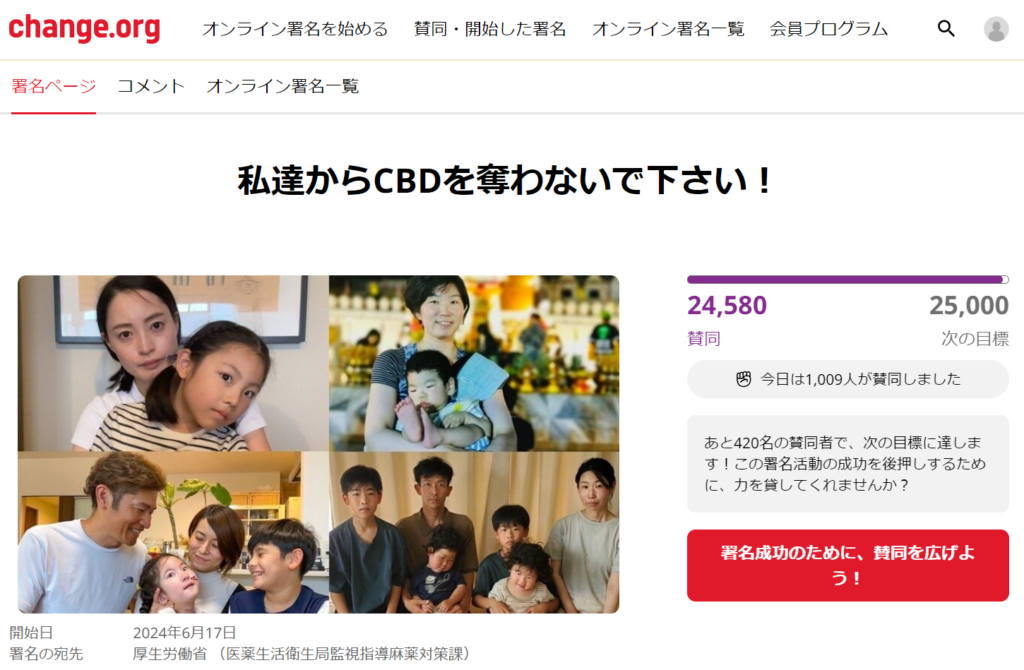
“With the revision of the Cannabis Control Law, the upper limit for residual THC in CBD products will be set. (The problem is that this number is planned to be 1,000 times stricter than in Western countries. Under the new standards, CBD products distributed abroad are basically narcotics, and since all CBD products and raw materials are imported, if this is the case, the majority of CBD products in Japan will be banned after October 1. CBD has the ability to relieve symptoms that hospital prescription drugs cannot. Many people benefit from CBD not only for intractable epilepsy, but also for anxiety, depression, and chronic pain. The MHLW’s decision is a persecution of these patients and is essentially no different than bombing Gaza. I sincerely hope that this issue will attract a lot of attention and lead to a political solution.”

Physician, President of Green Zone Japan
Yuji Masataka

traditional maintenance

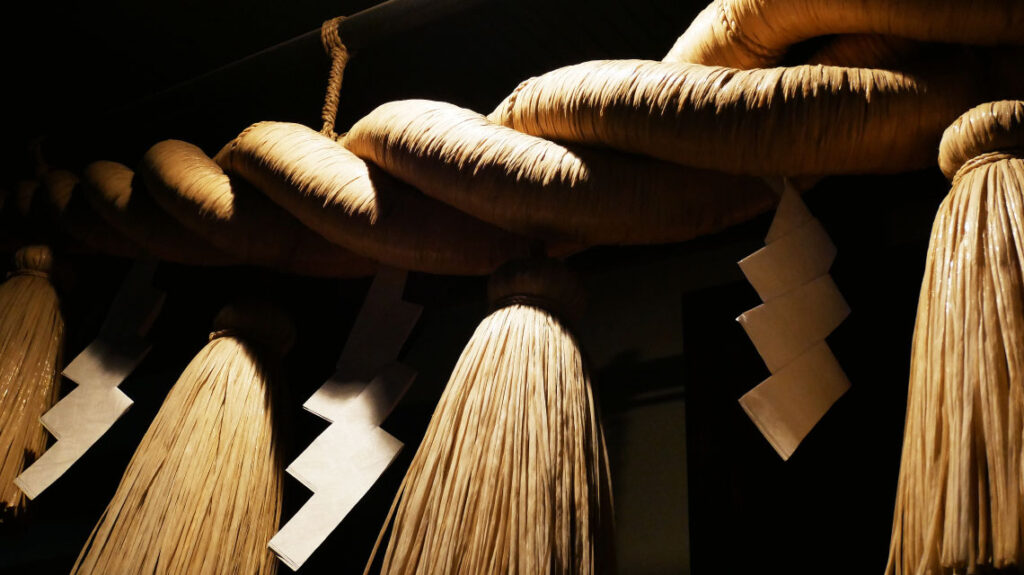
Reclaiming Japan's Unique Prayer Culture

One of the things that the Japanese are losing in this materialistic society is the meticulous culture that the Japanese once had, in which they felt that everything was divine and in harmony with nature. These things existed together with marijuana. The umbilical cord of a newborn baby is cut with hemp thread, and the baby clothes are made of hemp leaves to ward off evil and pray for health, the stalks are used as chopsticks for weaning, hemp seeds are eaten, the stalks are burned for the Bon Festival to make a path for the ancestors to return, and the stalks are used as legs to make cucumber horses. The stalks are burned during the Bon Festival to make a path for the ancestors to return home as quickly as possible with cucumber horses whose stalks resemble legs, and to have them return slowly to the other world with eggplant cows, It is also used as a foundation for thatched roofs, wall material, and plaster. When they die, they are tied to the coffin, and at the Sanzu River they are used as walking sticks on the way to the afterlife. Marijuana was always necessary at every milestone from birth to death.

さらに詳しく

Let's fight for one girl!

If you can't do that,
Tokyo and the world cannot be saved.