
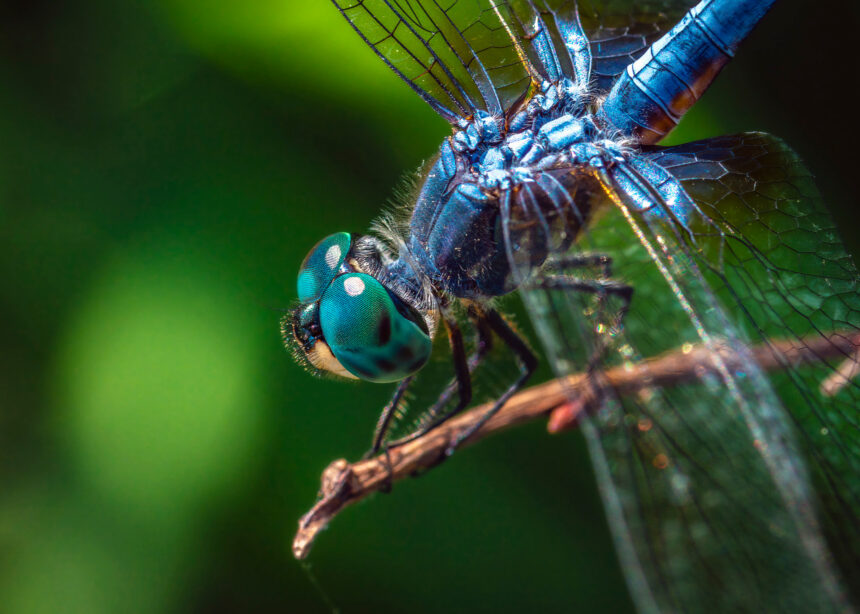
- A complete cycle of soil, water, bacteria, and insects
In the summers of old in Japan, countless dragonflies would fly over the rice fields.
As evening came, red dragonflies filled the sky, and children grew up watching them as a normal part of their lives.
Nowadays, this scene is rarely seen.
It’s easy to explain the reason with simple words like “climate change” or “development,” but the real cause lies much closer to home.
It’s that the circulation within the rice fields has been broken.
Dragonflies are a "health check for rice fields"
Dragonflies are more than just insects.
In fact, dragonflies are also a direct indicator of the condition of rice paddies.
– Their larvae (nymphs) grow in water.
– They feed on microorganisms and small insects in the water.
– Adults fly into the air and return to the rice paddies.
In other words, the abundance of dragonflies is evidence that:
– The water is alive.
– The soil is alive.
– The insect cycle is ongoing.
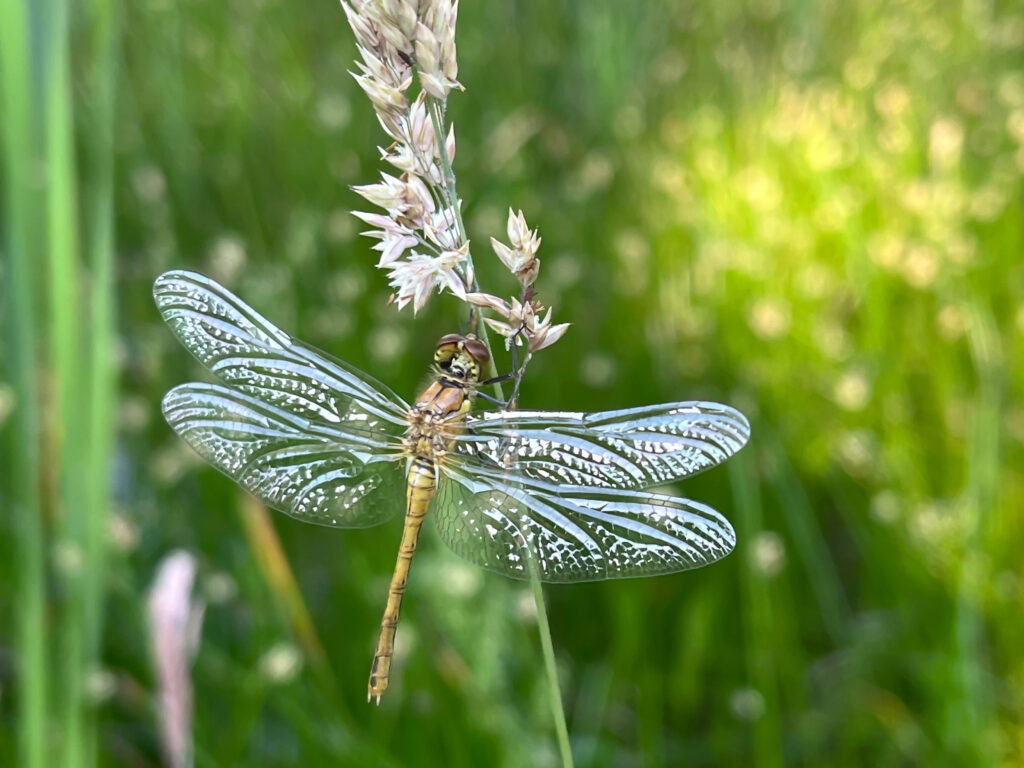
"Complete circulation" in old rice fields
In ancient rice paddies, four elements were naturally connected.
① Soil
Chemical fertilizers were scarce,
Fallen leaves, straw, droppings, and dead insects were returned to the soil.
② Fungi
Diverse fungi thrived in the soil,
Decomposing organic matter, producing nutrients, and suppressing disease.
③ Water
Water was moving and stagnant,
Ensuring the survival of fungi and aquatic insects.
④ Insects
Mosquito larvae, daphnia, nymphs, dragonflies, spiders, frogs.
Each ate, were eaten, and then returned to the soil.
This miniature ecosystem existed in each rice paddy.
The dragonflies were not "killed and disappeared" but returned to their natural state. This small ecosystem existed in each rice paddy.
Here’s the important point.
Dragonflies weren’t suddenly killed in large numbers.
In many cases,
– The nymphs weren’t developing.
– There were no insects for them to feed on.
– There were few bacteria in the water.
Even after they were born, they stopped reproducing.
In other words,
The cycle stopped, and they quietly disappeared.
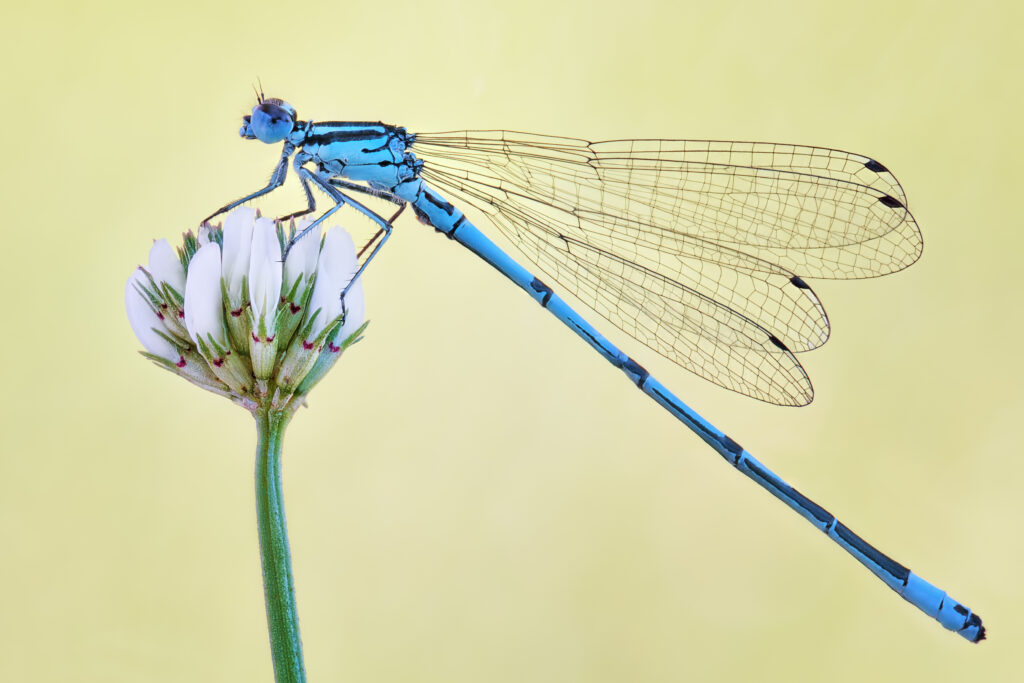
What broke the cycle?
The biggest change is that
– Pesticides that wash away easily
– Pesticides that last longer
– Pesticides that affect insects’ nerves
are now being used in rice fields.
Fewer insects
→ Less droppings and carcasses
→ Less bacteria
→ Water quality weakens
→ Larvae don’t develop
→ Dragonflies can’t return
Once this cycle starts, it’s hard to stop.
"Clean rice fields" and "living rice fields"
Rice fields today look beautiful.
There are no weeds and the water is clear.
But the beauty of an absence of living creatures also means
a still, tranquil atmosphere.
Rice fields in the past were murky, full of insects, and required a lot of work.
But on the flip side, they had the ability to recover on their own.
Signs that there are no dragonflies
Rice fields without dragonflies
may not be in immediate trouble, but they are vulnerable in the long run.
– More outside influences enter.
– More human management is required.
– Even the slightest abnormality can cause the fields to collapse.
This isn’t just a problem for rice fields.
It’s also connected to water, soil, food, and people’s bodies.
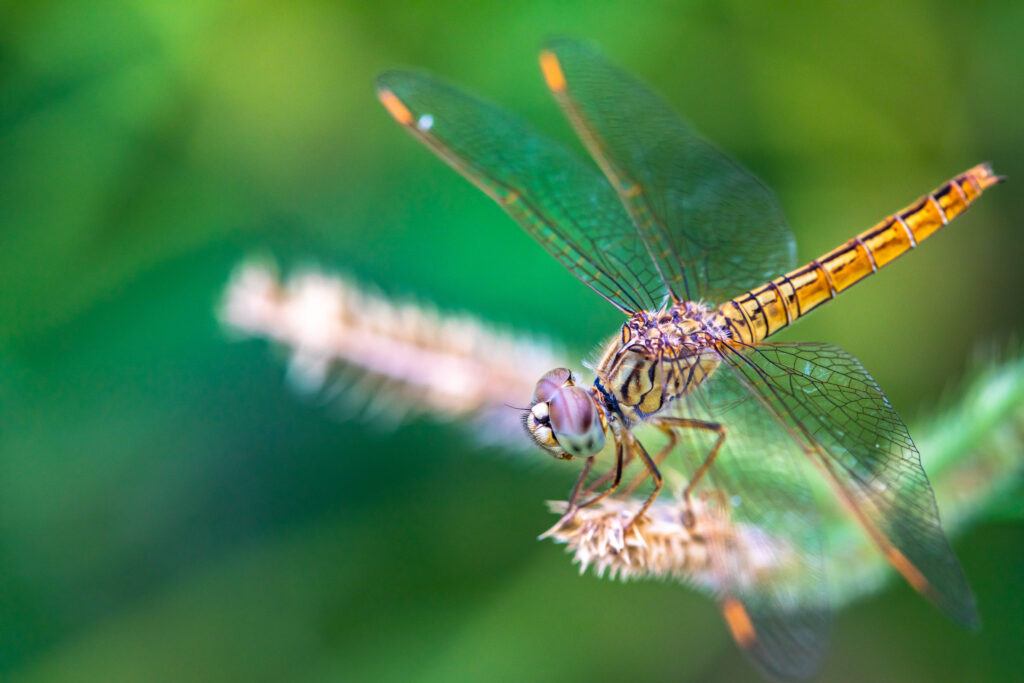
Summary
The reason dragonflies used to abound in rice fields
is not because nature was abundant.
It’s because soil, water, bacteria, and insects were circulating properly.
Dragonflies simply flew along the way in this cycle.
And now is the time for us to remember this cycle once again.