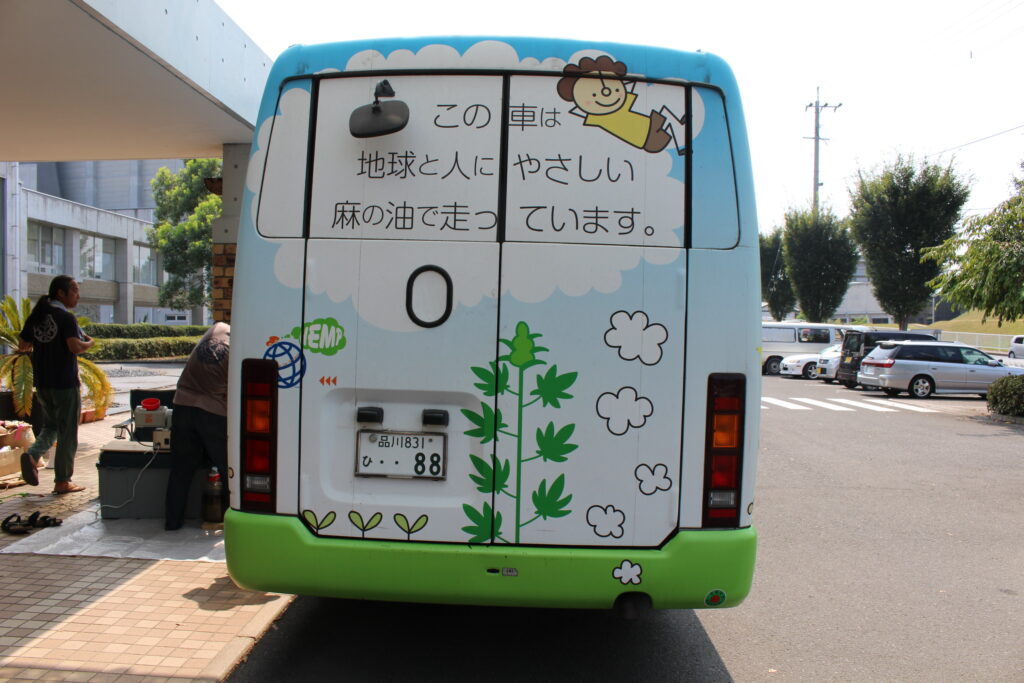
Hemp Car Project — A future paved by industrial hemp
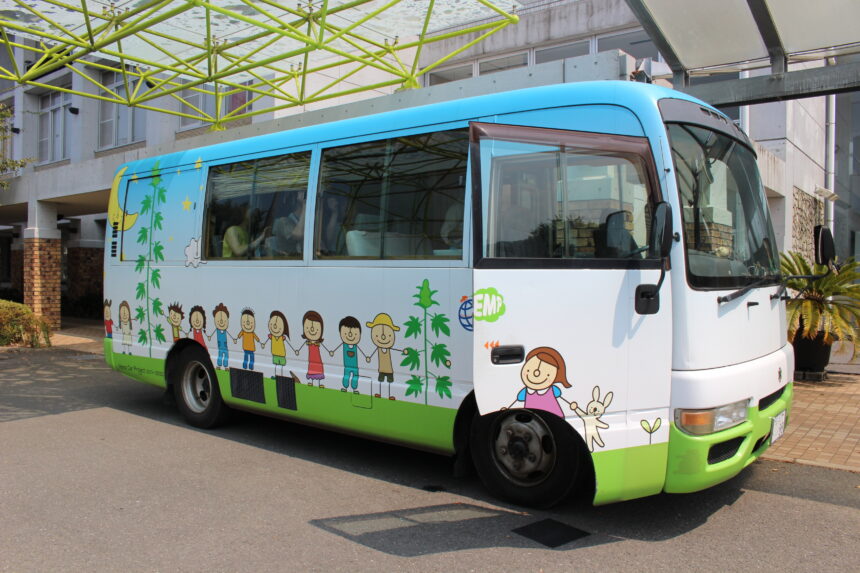
The Hemp Car Project is an initiative that aims to realize a sustainable mobility society using industrial hemp (hemp). Taking advantage of the characteristics of hemp, which grows quickly and has a low environmental impact, the project aims to promote the shift to a recycling-oriented society by applying it as a material and fuel for automobiles.
Why Hemp?
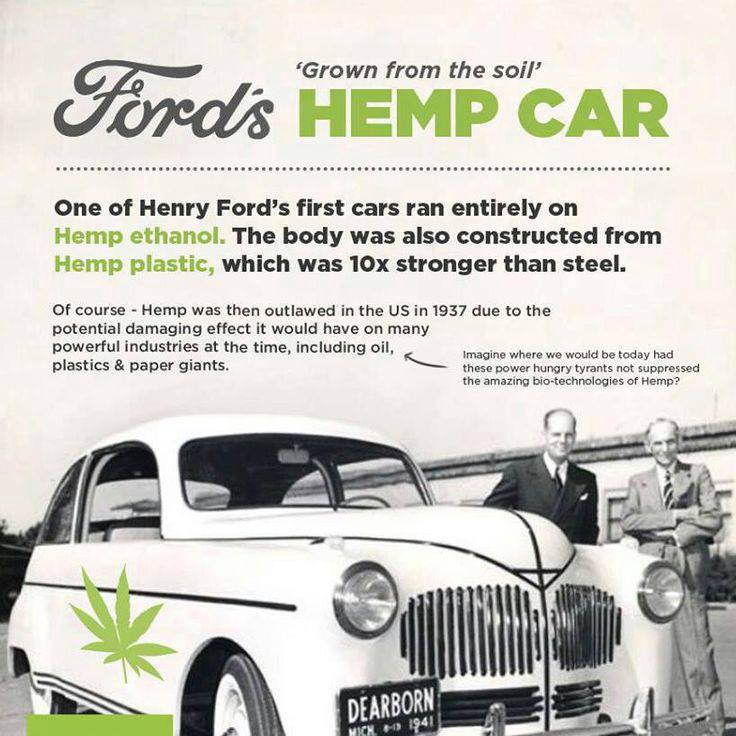
Hemp grows quickly, does not require pesticides, and purifies the soil. Its strong, lightweight fibers are suitable for automotive components, helping to improve fuel efficiency and reduce carbon dioxide emissions. The idea of hemp cars, which dates back to the 1930s when Henry Ford developed vehicles made from plant-based materials, is being revived with new meaning in modern times.
Historical background
In July 2001, a transcontinental hemp oil-fueled project was launched in the United States. This information reached Japan and spread through the internet mailing list “hemp-info.” Inspired by this, young people planned a Japanese version of the hemp car project. With the support of local governments, companies, and people involved in industrial hemp issues, the plan was made concrete.
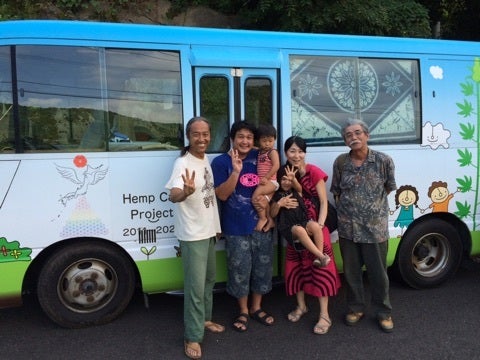
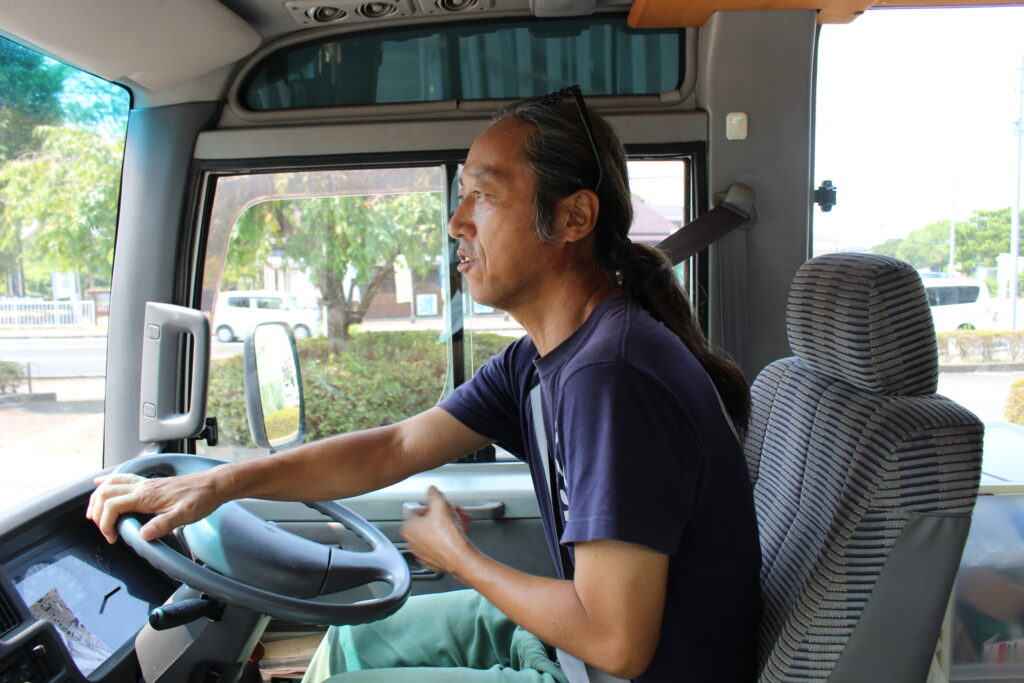
The core members were Yasunao Nakayama (executive chairman) of the Jomon Energy Research Institute, Takaharu Inokuchi (vice chairman) of the NPO Hemp Promotion Association, Mr. Okanuma of the Japan Hemp Association, and Mr. Eiji Akaboshi of the secretariat. Mr. Nakayama also participated as a driver and led the on-site operation.
Hemp car project in Japan
There were many problems to overcome during the preparation stage. Could a diesel vehicle really run on hemp oil? Could it withstand a nationwide crossing? Could there be any prospect of fundraising? After much discussion, Niigata Beer President Usami provided a diesel camper, the Industrial Hemp Club and Hemp Restaurant Asa donated a total of 2,600 liters of fuel, and Someya Shoten was responsible for refining the fuel.
At lectures and study sessions held in various locations, the majority of participants were not those interested in luxury goods, but those interested in the environment, health, and spiritual culture. Hempcar also visited shrines and temples to conduct a survey on the actual use of cannabis in shimenawa and bell strings. The survey revealed that only 30-40% of the population was using cannabis, and that most had been replaced with vinyl. Nakayama recalls that he was faced with the reality of Japanese culture, which had changed rapidly since the war.
The project reached its completion in Okinawa in September of the same year, and its results were reported at Funai World, hosted by Funai Research Institute.
Subsequent developments
In 2011, to commemorate the third anniversary of Kitami City’s designation as an industrial hemp special zone, lectures and markets were held in 18 locations throughout Hokkaido. 2,041 signatures in support of the spread of industrial hemp were submitted to Governor Takahashi. This movement led to the establishment of “Hemp Net” in 2012, solidifying the trend toward the revival of industrial hemp in Hokkaido.
The Hemp Car Project will continue into 2019 and beyond, with awareness-raising events being held in various locations.
Supported by Yosuke Kubozuka
Actor and artist Yosuke Kubozuka also supports the hemp movement. Interested in environmental issues and awareness-raising, Kubozuka is actively involved in activities to spread awareness of the usefulness and spirituality of hemp, and serves as a bridge to the younger generation.
Conclusion
The potential of hemp is immeasurable when it comes to creating a sustainable society. The hemp car project, which began with the passion of young people, continues to evolve and present new options to Japanese society.