The history of cannabis and its misconceptions in modern society
Although hemp was once very useful as an industrial plant, it was excluded due to vested interests and political backgrounds. Around the time that Ford was developing cars made from hemp materials, the “Marijuana Tax Act” was enacted in the United States in 1937, making it virtually impossible to sell hemp-related products. Behind this bill was a vested interest structure linked to major corporations such as GM, DuPont, and Rockefeller.
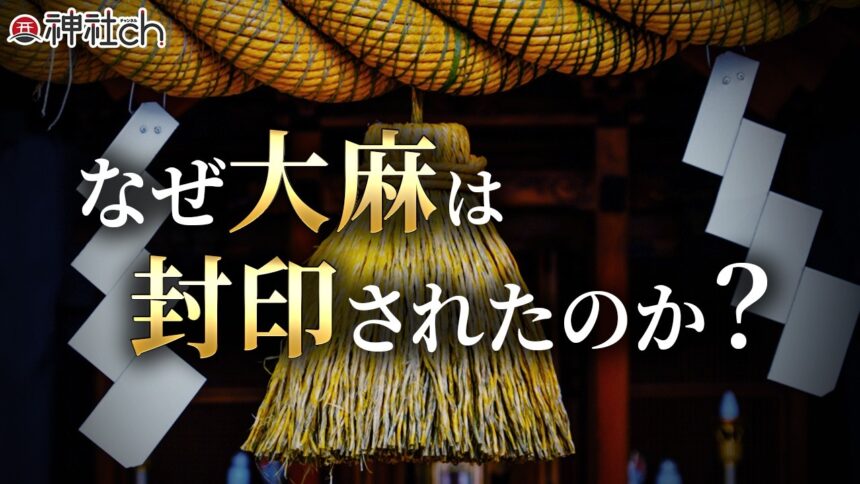
After the war, about 30,000 cannabis farms were abolished in Japan under the orders of GHQ, and the Cannabis Control Law was enacted, but this was also created to protect the farmers in order to avoid the extermination order. In fact, cannabis was an important material used in daily life, such as for Shinto shrine ropes, fishing nets, and Yokozuna noshime.
In addition, the negative image currently being spread about cannabis (dependence, hallucinations, etc.) is in fact a false association with the symptoms of stimulants, and scientifically, CBD (cannabidiol) is not addictive and has medical benefits. According to the WHO criteria, alcohol is classified as a “hard drug” and is sometimes considered more dangerous than cannabis.
Currently in Japan, CBD is scheduled to be subject to new and stricter regulations, and in particular, CBD products that contain even trace amounts of THC (tetrahydrocannabinol) are being excluded. As a result, existing CBD businesses are more likely to go bankrupt, and in the future, only expensive medical CBD may be available. Moreover, behind this trend, foreign pharmaceutical companies have already obtained patents for medicines that use CBD and THC, and there are suspicions that manipulation is being carried out by vested interests.
1. The misconception that marijuana is a drug
- Many Japanese people have the perception that marijuana is a dangerous drug based on their school education and other factors.
- In fact, cannabis has historically been a part of Japanese life and culture, and was even once referred to as “the country.”
- They were used for a variety of purposes, including for shrine ropes, fishing nets, and paper.
2. The roots of marijuana prohibition lie in American interests
- In 1937, the Marijuana Tax Act came into force in the United States.
- Ford has developed an eco-car that runs on hemp oil, posing a threat to the oil and chemical industries.
- Due to the involvement of vested interests such as Rockefeller and DuPont, marijuana came to be unfairly viewed as dangerous.
3. GHQ's Marijuana Eradication Policy
- After the war, GHQ forced 30,000 cannabis farmers in Japan to go out of business.
- The Cannabis Control Act was actually created as a desperate measure to avoid complete extinction.
4. Differences between CBD and THC
- CBD: No intoxicating effects. Mainly for medical uses (epilepsy, glaucoma, etc.).
- THC: Has psychoactive effects. Strictly regulated in Japan.
- In fact, there are many studies that suggest THC has medical benefits.
5. New regulations coming into force in October 2024
- In Japan, the THC content of CBD products is extremely strict (0.00%.
- According to global standards (e.g., Europe and the United States), the combination of CBD and THC is considered effective, but Japan goes against this trend.
- This regulation has put many CBD businesses at risk of bankruptcy.
6. Will we focus solely on medical CBD in the future?
- Private CBD products have been replaced by more expensive medical-grade products, making it much more difficult to obtain.
- While existing products cost around 5,000 yen per bottle, the price at medical institutions can go up to 200,000 yen (60,000 yen if covered by insurance).
Essential Message
- Information about cannabis and CBD is heavily influenced by vested interests, politics, and the media.
- Calm discussion based on scientific data is needed.
- We need to make an effort to know the reality, not the image created by education and the media.