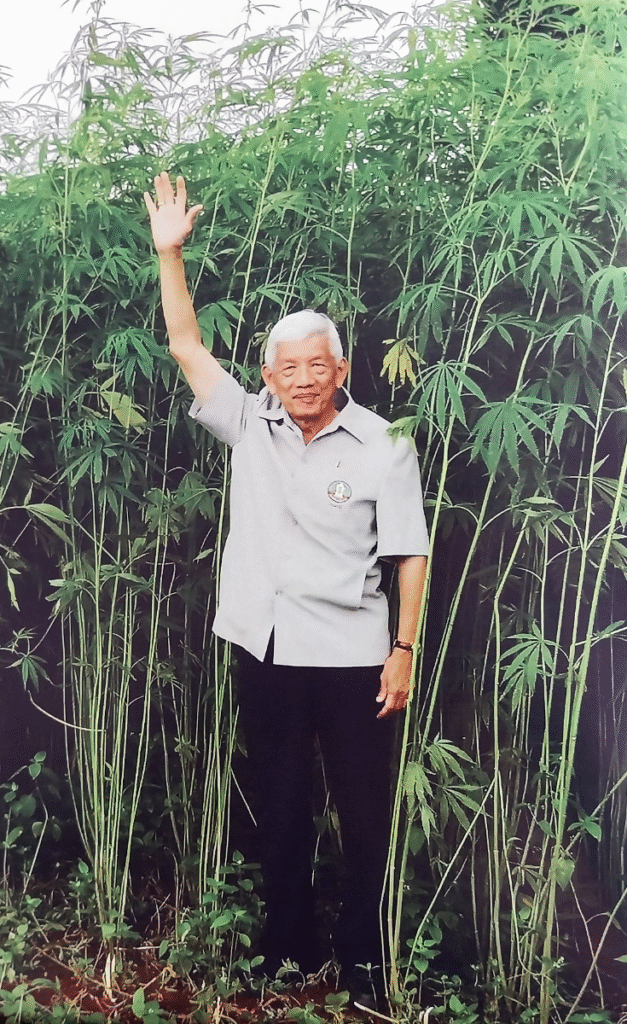

Once considered a “low-value native plant,” hemp is once again in the spotlight. Cultivated for more than 10,000 years by humans for its food and medicinal uses, hemp is one of the oldest plants in Thailand, and with royal support and scientific research, it is poised to become a new growth driver for the Thai economy.
Hemp and Marijuana: Humankind's Oldest Partners
Hemp and marijuana are among the plants with the longest history of humankind. Villagers would save some of the seeds they harvested for cultivation the following year, using them for food, clothing, and shelter. Through repeated breeding and improvement, hemp has now evolved into one of the most diverse and complex plant species in the world. Scientifically, hemp and cannabis are also among the most studied plants in the world. Weerachai Na Nakorn, the author of this book, focuses particularly on the potential of Thai hemp. He points out that every part can be used, and that it could be a sustainable source of income for farmers. Some believe that in the future, it could become an even more important resource than cannabis.
The door opened by the royal family
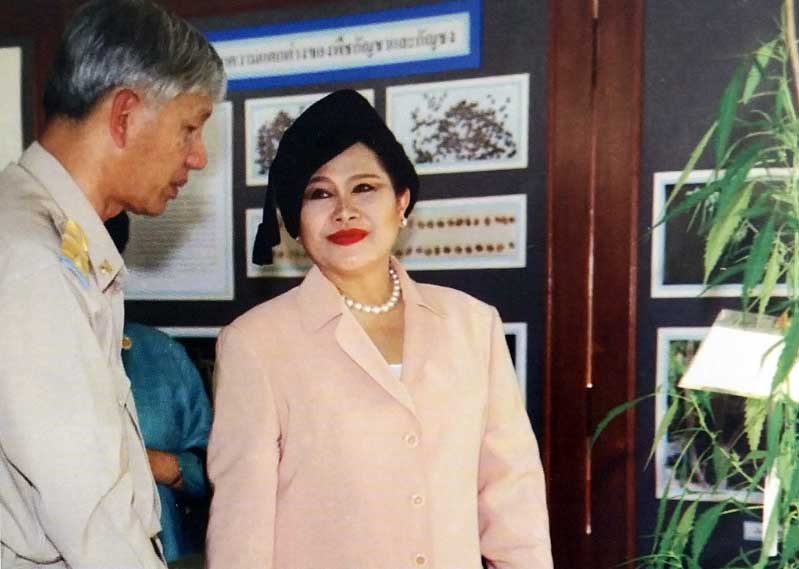
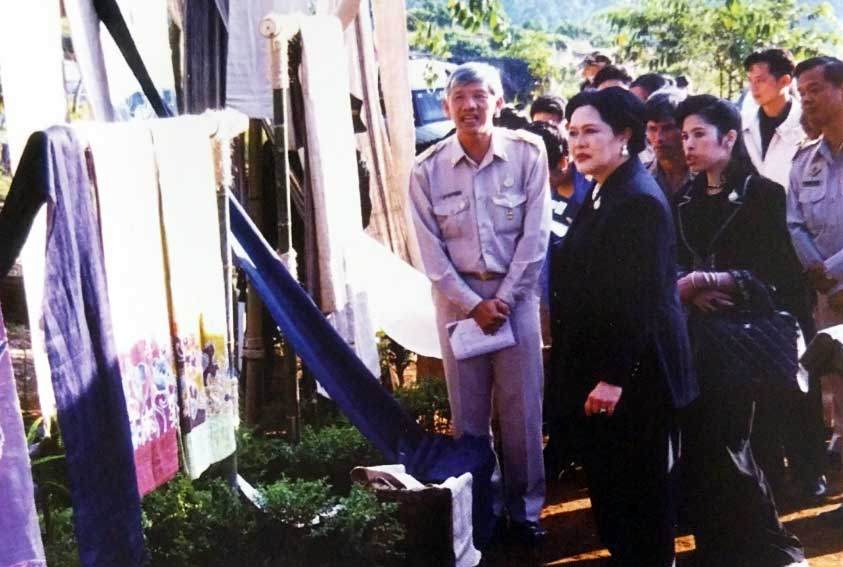
The turning point came in 1999. During a tour of the northern mountainous region, Queen Sirikit witnessed the plight of ethnic minorities who had traditionally used hemp for weaving, as it was now equated with an “illegal drug.” The Queen emphasized the need to protect “hemp as a cultural heritage,” and set out a policy to turn it into an economic crop. In 2004, she gave a speech in which she stated, “Promoting education and hemp cultivation will build a sustainable future.” The King approved, paving the way for hemp to be positioned as a new economic crop in Thailand. The following year, in 2005, the Cabinet instructed the National Economic and Social Development Board (NESDB) to implement hemp promotion measures. Several government agencies, including the Royal Project Foundation, the Botanic Gardens Authority, the Food and Drug Administration, and the Drug Enforcement Agency, began experimental cultivation and research in collaboration.
Economic and environmental impact
The impact of the royal project is multifaceted.
- Increasing farm income and reducing poverty
- Revitalizing the handicraft industry with hemp products
- Forest conservation through reduction of slash-and-burn cultivation
- Establishing a sustainable economic foundation in mountainous regions
Trial cultivation is progressing particularly in Chiang Mai and Phayao in the north, Phitsanulok in the northeast, and Tak in the west, making practical use at the farm level a reality.
Will it become the next growth industry?
Hemp is no longer just a fiber crop. It is expected to have a wide range of industrial applications, from medicine and food to building materials and biomass energy. Demand for sustainable and naturally derived materials is growing in the international market, and Thai hemp is establishing itself as a part of this trend. Queen Sirikit’s foresight and the royal family’s continued support have elevated hemp from a “tradition of the past” to a “strategic asset for the future.” Thailand is now seeking to demonstrate a new economic and environmental model to the world through hemp.