One billion lives in just one cubic centimeter of soil

Every year we continue to destroy the "invisible universe"

Soil is more than just a brown substance.
It’s a space where life exists, layer after layer.

In just
one cubic centimeter.
In an area of ​​soil that would fit on your fingertip,

more than one billion microorganisms live.

This is not a metaphor.
It’s a scientific fact.

There is a "complete world" in the soil

These more than 1 billion organisms are made up of:

Bacteria

Fungi

Actinomycetes

Protists

and more.

They coexist, sharing roles such as:

Decomposing organic matter

Transporting nutrients

Suppressing pathogens

Exchanges information with plant roots.

There is no hierarchy or chain of command.

There is only circulation and balance.

This structure is far older and far more sophisticated than human civilization.

It is truly a microcosm within the soil.

Plants cannot live alone

Crops
don’t grow on their own.

– They secrete substances from their roots
– They attract specific microorganisms
– They receive nutrients
– They are protected from disease

In other words, plants
live in community with microorganisms.

If this relationship is maintained,

– Minimal fertilizer is required
– They are resistant to disease
– Natural growth occurs

This is the true nature of agriculture.

Pesticides are "destructive without selection"

Pesticides are thought to only kill harmful insects.

But that’s not the reality.

Pesticides kill all insects, including:

pests, beneficial insects, fungi, and microorganisms.

A single application can simultaneously wipe out over one billion lives.

This destruction is invisible and therefore unrealized, but it amounts to massive destruction of the ecosystem.

And it’s not a one-time event that only affects a few areas.

It’s happening every year, every season, in fields all over the world.

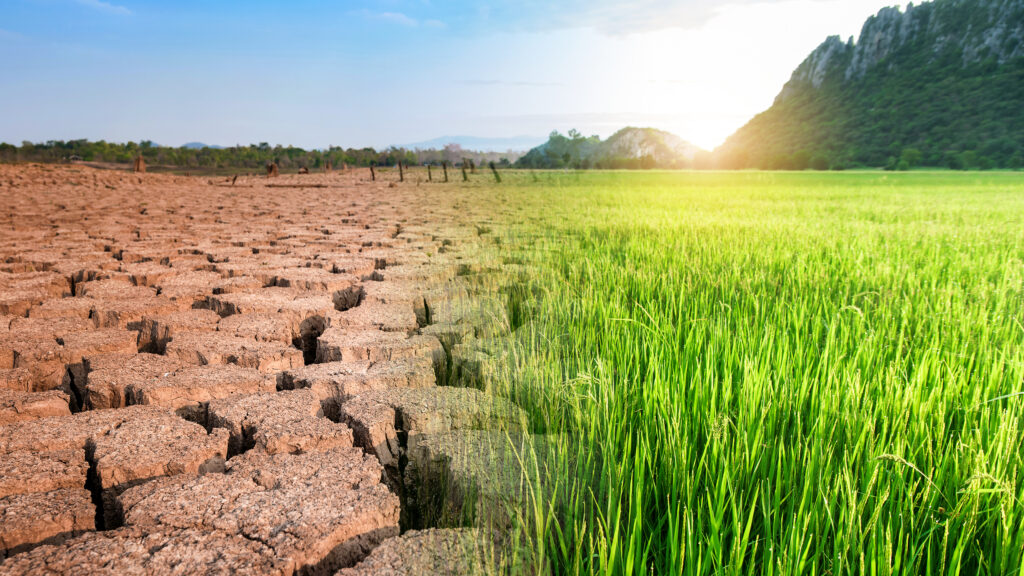
What happens to the field if the microcosm is destroyed?

When microorganisms disappear,

– organic matter doesn’t break down,
– nutrients don’t circulate,
– the soil hardens,
– water can’t be retained,

As a result,

– crops become weaker,
– disease becomes more prevalent,
– more pesticides are needed,

destruction leads to more destruction.

This isn’t a problem with farmers.

It’s a problem with the system.
Humans are good at destroying the "invisible world"

If you cut down a forest,
everyone knows.

If you pollute a river,
you’ll be criticized.

But

What’s happening under the soil

is rarely talked about.

Because it’s invisible.

So what should we do?

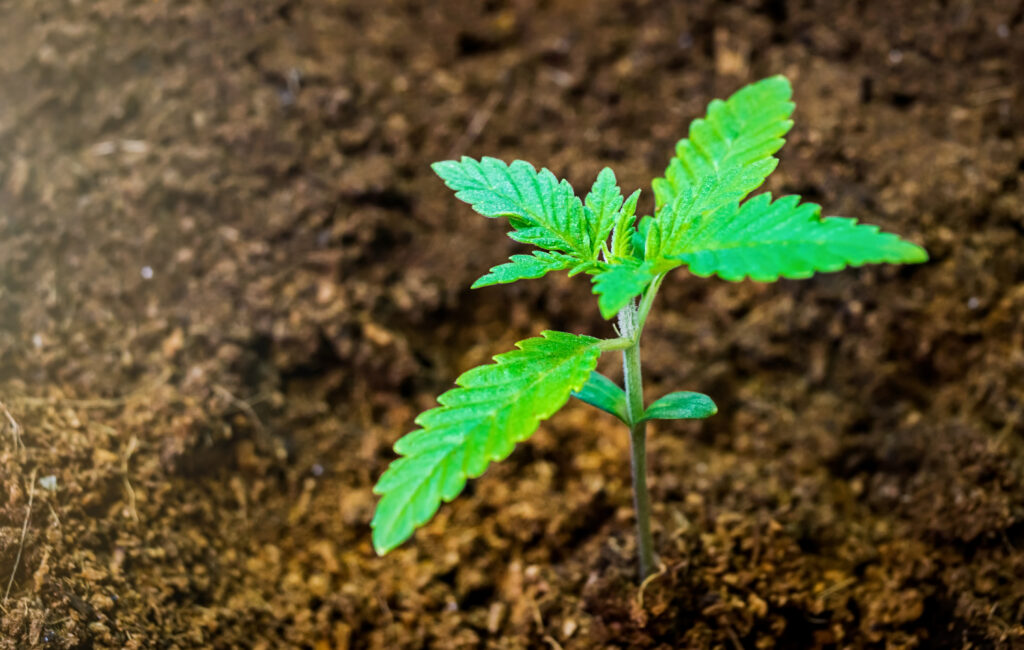
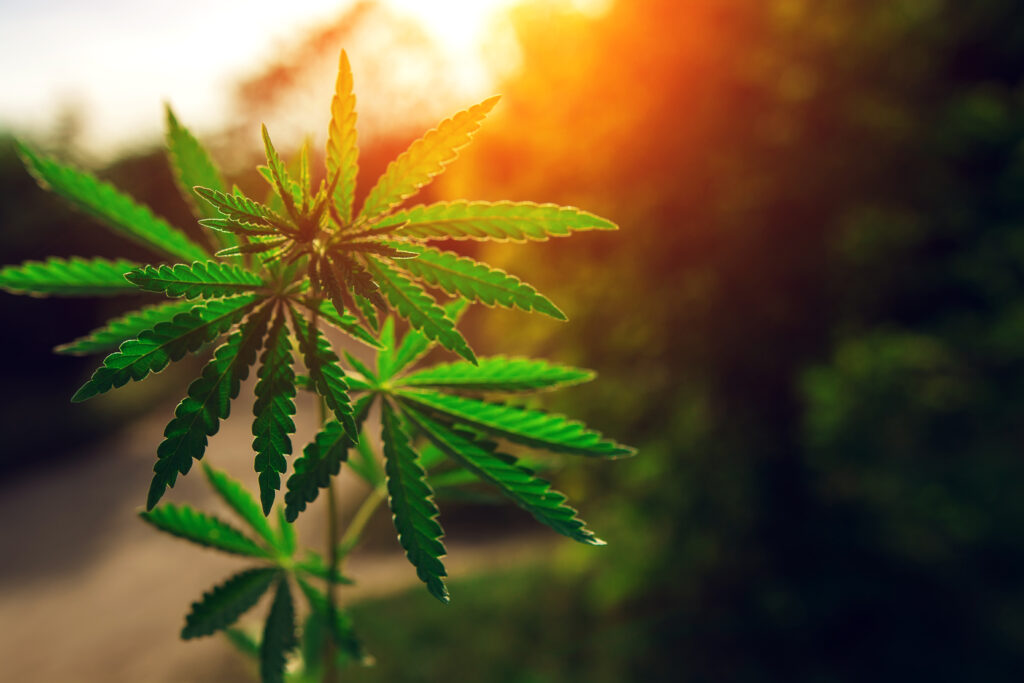
The answer is “hemp.”

Here,
there’s a plant that’s crucially important:

Hemp.

Why does hemp revive soil microorganisms?

The answer is simple:
Hemp is a plant that doesn’t destroy the soil’s microcosm.

Hemp

– Relies almost exclusively on chemical fertilizers
– Doesn’t require pesticides
– Doesn’t attempt to overly alter the soil

As a result,
the environment in which microorganisms have lived can be preserved intact.

All hemp does is "recovery"

Hemp
doesn’t dominate the soil.

– Its deep roots loosen the soil.
– Its roots naturally produce food.
– It doesn’t promote specific bacteria.

As a result,
microorganisms return to nature.

It doesn’t promote them.
It returns.

Why hemp eliminates the need for pesticides

If microorganisms return,

– Pathogens will be less likely to grow.
– The soil will be more stable.
– The crops themselves will be stronger.

Therefore,

pesticides will no longer be necessary.

This is not just an idea.

It’s a fact that is happening on the ground.

Hemp is a "shortcut to repairing the soil"

Many crops
put a strain on the soil.

Hemp is the opposite.

Just give the soil time to recover.

Just by doing that,
the soil will begin to heal itself.

Conclusion

Hemp is not a plant that “adds” something to the soil.

Don’t destroy it, just wait.

Just by doing that,
1 billion microcosms will be revived.