-- A "living foundation" that supports water, soil, and climate
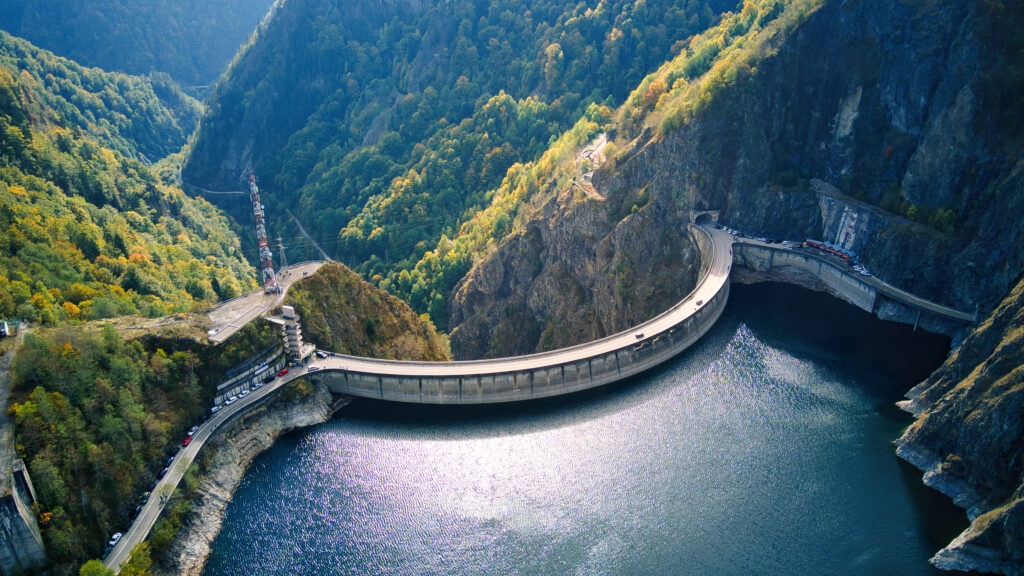
What is infrastructure? Roads, dams, power grids, water and sewer systems. It refers to the systems that form the “foundation” that supports a nation and society.
But modern society is making a fatal mistake. Things that are truly infrastructure are not being treated as such.
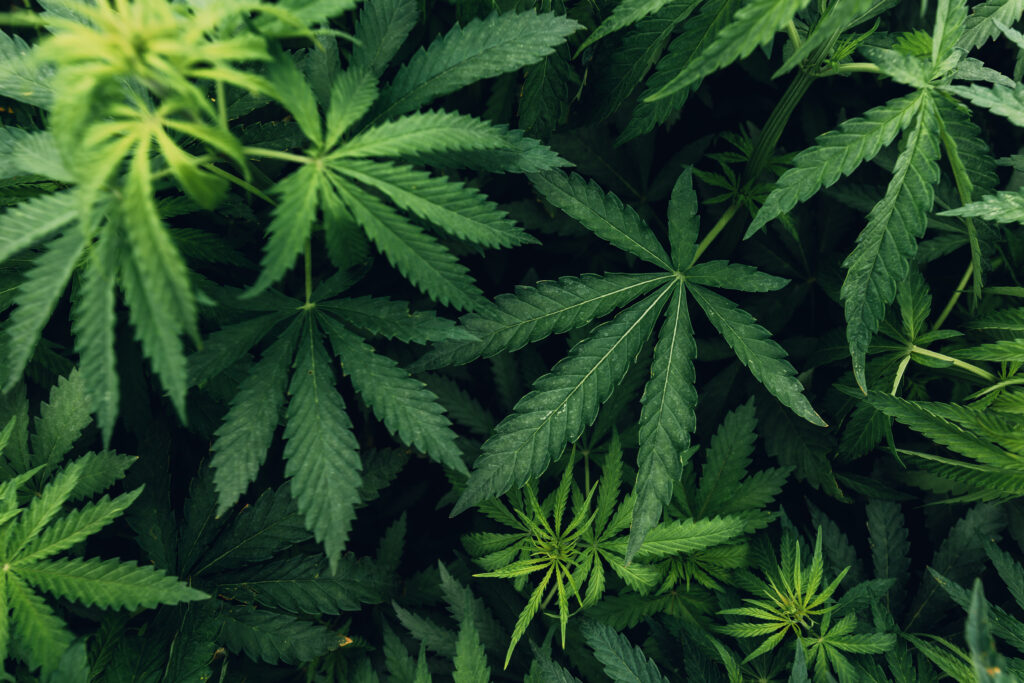
That mistake is hemp.
The moment we see hemp as a crop, its true essence is lost.
Hemp is often described as a fiber crop, a health food ingredient, and a sustainable material.
None of these are incorrect.
However, these are merely by-products of hemp production.
Hemp’s essential role lies in its structure, which connects soil, water, microorganisms, and climate.
Infrastructure is a device that maintains circulation
The infrastructure requirements are clear:
– Durability – Low maintenance costs – Increased overall stability – No single points of failure
Hemp meets all of these requirements.
The "invisible infrastructure function" that hemp plays
1. Underground infrastructure: structural restoration by roots
Hemp roots grow deep and in a straight line.
This allows them to:
– Destroy hard pans – Create pathways for air and water – Restore connections to groundwater
This function is equivalent to underground plumbing.
2. Microbial infrastructure: Reconstruction of mycelial networks
Hemp roots secrete sugars, which attract microorganisms. This regenerates a mycelial network and a distributed transport network for water and nutrients in the soil.
This is a distributed logistics network created by nature.
3. Water infrastructure: storage, buffering and release
Healthy soil is like a giant sponge. After hemp is grown,
Rainwater permeates the soil,
It is stored underground,
It is slowly released during droughts.
Unlike a dam, this water infrastructure is not concentrated in one place and will not break down.
4. Climate infrastructure: controlling surface temperature and evaporation
Hemp grows quickly and covers the ground.
– Blocks direct sunlight – Lowers soil temperature – Reduces evaporation
This is a natural cooling system.
Why concrete infrastructure is so fragile
Modern infrastructure is characterized by the following characteristics:
Centralized management
Shrinking size
High cost
Significant damage in the event of failure
In contrast, hemp is
Decentralized
Self-repairing
Low cost
Limited damage in the event of failure
In other words, it is infrastructure adapted to the era of climate change.
Why did the government restrict hemp to the category of "crops"?
The reasons are simple.
– It’s difficult to manage. – It’s not compatible with centralization. – It makes the land and people self-reliant.
Hemp is not a resource that can be sold and then forgotten.
It can help restore the land and reduce dependency.
It's not agriculture. It's land planning.
How we handle hemp is not a question of agricultural policy.
Water policy Environmental policy National security Economic stability
It’s a question of national infrastructure design, which affects everything.
Conclusion
Hemp is not a crop. It is living infrastructure.
Dams and pipes manage water.
Hemp creates the structure that circulates water.
Drought, floods, soil erosion, climate instability… The solution to all of these lies not in concrete, but in roots.