
-- Soil bacteria: the "final infrastructure"
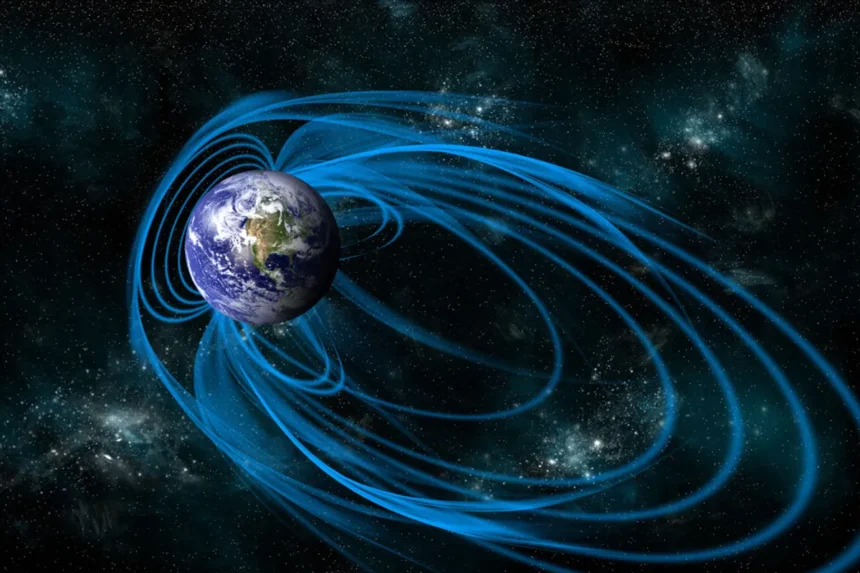
Whenever the topic of a pole shift comes up, humanity repeats the same anxieties.
Will the magnetic field weaken?
Will communications cease?
Will civilization collapse?
But from a geological perspective, there is no evidence that a pole shift itself would destroy civilization or living things.
The Earth’s magnetic field has reversed many times in the past, but the Earth has not been destroyed.
It is not a change in the magnetic field that will truly end civilization.
When the earth dies, civilization will quietly come to an end.
The pole shift will destroy not "nature" but "presuppositions"
Scientifically, the possible effects of a pole shift are quite limited.
– The Earth’s magnetic field will weaken.
– The aurora will become more visible at lower latitudes.
– Increased risk to satellites, communications, and power grids.
In other words, it is modern infrastructure, which was designed on the assumption that the magnetic field would remain stable, that will be affected.
Nature itself will not cease to function.
It is structures built on convenience that will collapse.

What will keep people alive when infrastructure stops?
When power is cut off, logistics are halted, and communications are disrupted,
what is the final thing that will keep people alive?
It’s not data, finance, or the latest technology.
It’s the power to produce food.
And at the heart of food production is soil.
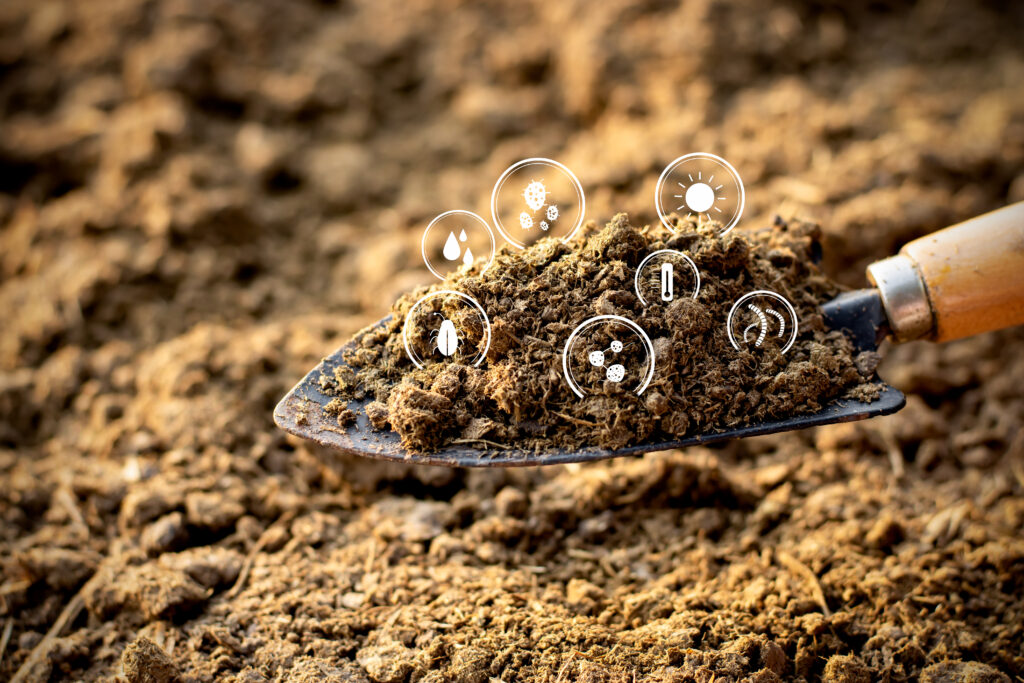
Soil is not a "material"; it is a living system
Most people think of soil as simply a brown substance.
However, soil is actually an ecosystem made up of countless microorganisms.
Healthy soil simultaneously contains
bacteria that break down organic matter
bacteria that pass on nutrients to plants
a structure that retains moisture
and spaces that moderate temperature changes.
Soil bacteria
do not substitute for fertilizer.
They are responsible for the cycle itself.
Soil bacteria are the "final infrastructure"
Power grids collapse.
Communication networks collapse.
But soil bacteria don’t collapse.
That’s because:
– They don’t require electricity
– They don’t need central control
– They exist in a distributed manner, distributed throughout the region.
Soil bacteria are a distributed infrastructure provided by nature that will continue to function no matter how unstable civilization becomes.
Soil bacteria help plants withstand climate change
The more unstable the climate, the more important soil quality becomes.
Healthy soil
– Absorbs heavy rainfall and buffers floods
– Retains moisture during droughts
– Buffers sudden temperature changes
– Temporarily fixes carbon and nitrogen
In other words,
it doesn’t directly transmit climate fluctuations to crops.
This is something that no high-tech device can perfectly replicate.
The collapse of civilization begins silently
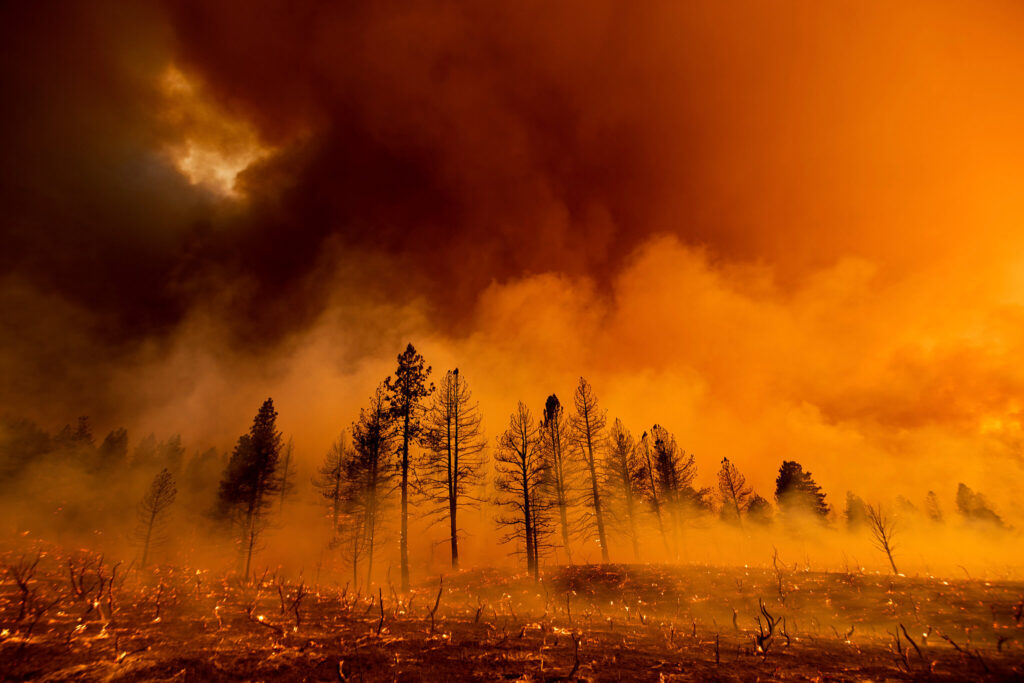
Civilizations rarely die explosively.
In most cases, they decline quietly.
– The soil becomes barren.
– Microorganisms decrease.
– Crops weaken.
– They become unable to survive without external inputs (fertilizer and energy).
A civilization that reaches this state
will collapse even with the slightest tremor to its infrastructure.
This is why we can say this:
Civilization will not perish during a pole shift.
It will end when the soil dies.
What should I choose now?
Before we wait for future technology,
there are choices we can make now.
– Return organic matter to the soil.
– Move away from farming methods that kill soil bacteria.
– Preserve a locally circulated food system.
These aren’t flashy measures.
But they are the surest preparations.
Conclusion
A pole shift
is not a crisis for the Earth.
It is merely a mirror that exposes humanity’s dependence on others.
Even if the magnetic field fluctuates,
or communications are cut off,
civilization will continue as long as soil bacteria survive.
The infrastructure we must leave for the future
is neither on Earth nor in space.
It already exists in the soil.