- The idea behind the royal project
What does it mean to be successful?
Is it about having your achievements measured in numbers, your name recognized,
and leaving behind “clear results” for society?
But throughout the history of civilization,
something has always disappeared in the shadow of success.
Wisdom rooted in the land, relationships nurtured over time,
and choices made without speaking up.
Behind Thailand’s royal projects
lies a philosophy aimed at preserving such “perishable things.”
One person who embodies this philosophy, without ever stepping out into the open, is
Weerachai Nanakorn.
Is it about having your achievements measured in numbers, your name recognized,
and leaving behind “clear results” for society?
But throughout the history of civilization,
something has always disappeared in the shadow of success.
Wisdom rooted in the land, relationships nurtured over time,
and choices made without speaking up.
Behind Thailand’s royal projects
lies a philosophy aimed at preserving such “perishable things.”
One person who embodies this philosophy, without ever stepping out into the open, is
Weerachai Nanakorn.
The Royal Project is not a "reform"
The term “Royal Project” makes many people imagine large-scale reforms and state-led modernization.
But the reality is the exact opposite.
The essence of the Royal Project is not to change anything suddenly, but to secure a place that will not break even in the midst of change.
Things that are likely to become political points of contention.
Things that are easily recouped in the market.
Things that are unlikely to yield short-term profits.
These things are left alone,
– not loudly asserted,
– not symbolized,
– not made into success stories.
That is the ideological role of the Royal Project.
But the reality is the exact opposite.
The essence of the Royal Project is not to change anything suddenly, but to secure a place that will not break even in the midst of change.
Things that are likely to become political points of contention.
Things that are easily recouped in the market.
Things that are unlikely to yield short-term profits.
These things are left alone,
– not loudly asserted,
– not symbolized,
– not made into success stories.
That is the ideological role of the Royal Project.
Choosing to Stay Aloof
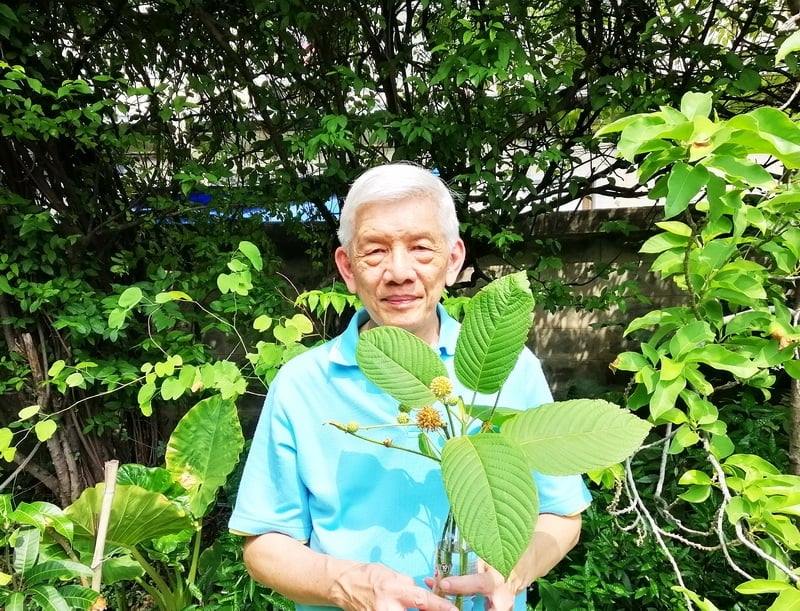
Weerachai Nanakorn
chose a very unique position within this structure.
He
– He did not speak as a thinker
– He did not shout as a reformer
– He did not put himself forward as a success story
Instead,
He “positioned” his ideas in the form of research, records, the field, and time.
When ideas are put into words,
they are immediately interpreted,
used, and become a point of contention.
He avoided that.
In order to protect his ideas,
he chose not to become a thinker.
chose a very unique position within this structure.
He
– He did not speak as a thinker
– He did not shout as a reformer
– He did not put himself forward as a success story
Instead,
He “positioned” his ideas in the form of research, records, the field, and time.
When ideas are put into words,
they are immediately interpreted,
used, and become a point of contention.
He avoided that.
In order to protect his ideas,
he chose not to become a thinker.
Why was it a "path that won't succeed"?
The philosophy behind the Royal Project is consistent.
Success destroys some things.
Success
– demands speed
– calls for expansion
– justifies control.
But
the local wisdom, plants, and local life
– cannot withstand speed and control.
That’s why
a path that will not succeed was chosen.
It will not be appreciated.
It will not expand.
It will not make a statement.
Instead,
it will be left quietly in a place where it will not disappear.
Success destroys some things.
Success
– demands speed
– calls for expansion
– justifies control.
But
the local wisdom, plants, and local life
– cannot withstand speed and control.
That’s why
a path that will not succeed was chosen.
It will not be appreciated.
It will not expand.
It will not make a statement.
Instead,
it will be left quietly in a place where it will not disappear.
Hemp as a touchstone
The “hemp” he was involved with
symbolized this philosophy.
Hemp will break if it is controlled too much,
become disordered if left too free,
and will inevitably become distorted if rushed.
In other words,
it is a plant that directly reflects human immaturity.
For the royal project, hemp was not
an industrial crop,
but a touchstone for measuring the maturity of society.
Weerachai
did not try to make hemp a success.
He just left a place for hemp to survive.
symbolized this philosophy.
Hemp will break if it is controlled too much,
become disordered if left too free,
and will inevitably become distorted if rushed.
In other words,
it is a plant that directly reflects human immaturity.
For the royal project, hemp was not
an industrial crop,
but a touchstone for measuring the maturity of society.
Weerachai
did not try to make hemp a success.
He just left a place for hemp to survive.
A person standing in an indelible place
When a civilization collapses, the first to disappear are its successful models.
What stays are the places that were unsuccessful but didn’t collapse.
It was these very places that the royal project sought to protect.
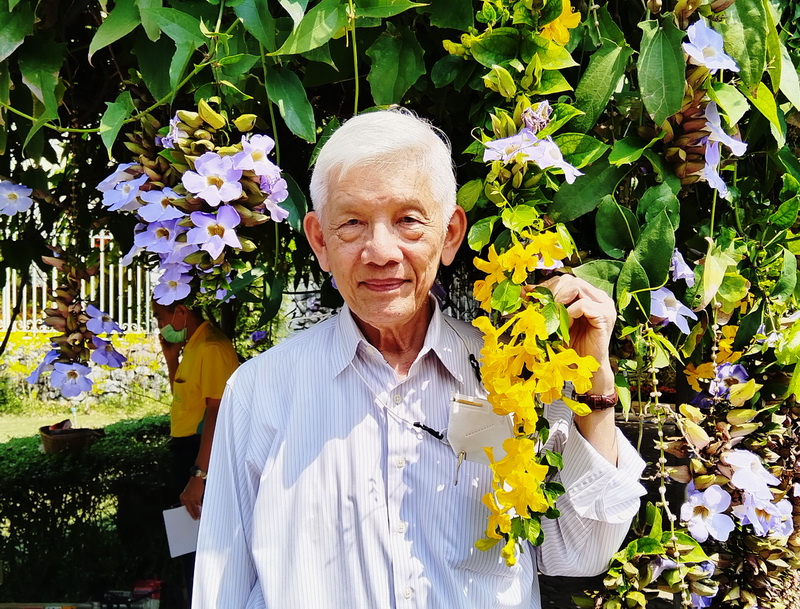
Weerachai Nanakorn, without claiming profit or fame, continued to choose places to stand in after civilizations failed.
What stays are the places that were unsuccessful but didn’t collapse.
It was these very places that the royal project sought to protect.
Weerachai Nanakorn, without claiming profit or fame, continued to choose places to stand in after civilizations failed.
Lastly
The path of failure is not weakness.
It is not passivity.
It is the toughest choice,
designed to withstand the test of time.
The idea behind the Royal Project was not to change the world,
but to preserve the space where something will remain,
no matter how many times the world breaks down.
Only those who choose the path of failure will stand
in a place that will never disappear.
It is another form of responsibility,
never appearing on the front stage of civilization,
but certainly present.
It is not passivity.
It is the toughest choice,
designed to withstand the test of time.
The idea behind the Royal Project was not to change the world,
but to preserve the space where something will remain,
no matter how many times the world breaks down.
Only those who choose the path of failure will stand
in a place that will never disappear.
It is another form of responsibility,
never appearing on the front stage of civilization,
but certainly present.