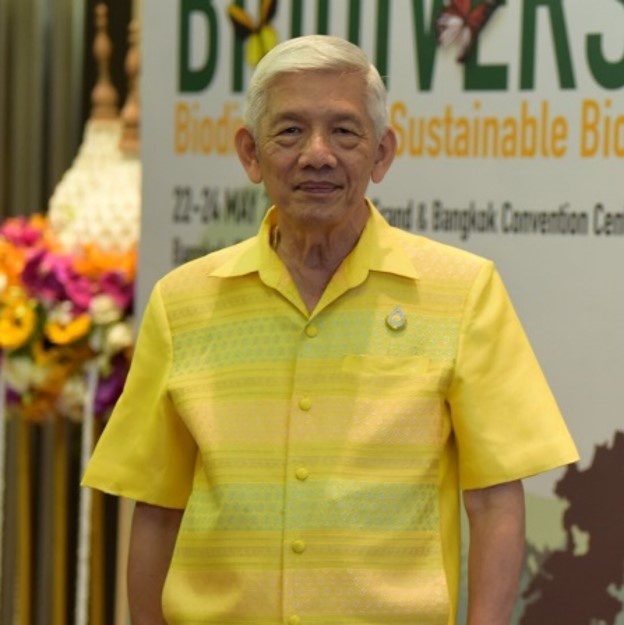
- The untold choices of Weerachai Nanakorn, the man who protected hemp
We tend to think that the “loudest voices” are the most important.
Those who talk about success, those who show what’s right, those who proclaim they’ll design the future.
Civilizations have always revolved around such people.
But a closer look at history reveals that when a civilization truly begins to crumble,
it’s the choices that are least spoken about that remain.
Those who talk about success, those who show what’s right, those who proclaim they’ll design the future.
Civilizations have always revolved around such people.
But a closer look at history reveals that when a civilization truly begins to crumble,
it’s the choices that are least spoken about that remain.
The Unspoken Man
Weerachai Nanakorn’s name is rarely mentioned in the flashy arguments for lifting the ban.
He was not a politician, an activist, or the hero of a success story.
He simply spent a long time studying, documenting, and preserving the hemp plant.
He had no plan to maximize profits, no strategy to gain fame, and no strong argument.
He was not a politician, an activist, or the hero of a success story.
He simply spent a long time studying, documenting, and preserving the hemp plant.
He had no plan to maximize profits, no strategy to gain fame, and no strong argument.
The three things he didn't choose
It wasn’t the things he chose that shaped his life, but the things he didn’t.
He didn’t choose profit.
Hemp, if used properly, can quickly become profitable.
But the moment money comes into it,
the plant becomes an object of control.
He knew that.
He didn’t choose fame.
The moment one’s name is put forward,
those ideas become one’s own.
Then, ideas are evaluated, consumed, and eventually diluted.
He refused.
He didn’t choose what to assert.
The more one speaks of what is right,
the more people will take advantage of it and turn it into conflict.
He chose structure over words.
He didn’t choose profit.
Hemp, if used properly, can quickly become profitable.
But the moment money comes into it,
the plant becomes an object of control.
He knew that.
He didn’t choose fame.
The moment one’s name is put forward,
those ideas become one’s own.
Then, ideas are evaluated, consumed, and eventually diluted.
He refused.
He didn’t choose what to assert.
The more one speaks of what is right,
the more people will take advantage of it and turn it into conflict.
He chose structure over words.
Hemp was not a "crop"
To him, hemp is not an industry, a trend, or an idea.
Hemp
– If too much control is applied, it breaks.
– If too much freedom is given, it becomes disordered.
– If rushed, it will inevitably become distorted.
In other words,
it is a plant that does not hide human immaturity.
That is why he
did not try to use hemp to change the world.
Even if the world remained immature,
he wanted to leave room for something to survive.
Hemp
– If too much control is applied, it breaks.
– If too much freedom is given, it becomes disordered.
– If rushed, it will inevitably become distorted.
In other words,
it is a plant that does not hide human immaturity.
That is why he
did not try to use hemp to change the world.
Even if the world remained immature,
he wanted to leave room for something to survive.
Distance from the Royal Project
The royal initiatives he was involved in
were neither reform nor revolution.
They had only one purpose:
To make use of fragile things outside of politics and the market.
In doing so,
he took on the role of not speaking his ideas,
but of creating an environment in which his ideas would not disappear.
He stayed out of the spotlight.
He did not create issues.
He did not seek recognition.
Instead,
he quietly preserved hemp, wisdom, and time.
were neither reform nor revolution.
They had only one purpose:
To make use of fragile things outside of politics and the market.
In doing so,
he took on the role of not speaking his ideas,
but of creating an environment in which his ideas would not disappear.
He stayed out of the spotlight.
He did not create issues.
He did not seek recognition.
Instead,
he quietly preserved hemp, wisdom, and time.
Choosing a path that won't succeed
His life may seem like one that was unsuccessful.
But that’s not the case.
He knew that success can destroy things.
That’s why
He didn’t spread it out.
He didn’t rush it.
He didn’t shout.
No matter how many times civilization failed,
he put the seeds back in the soil so that it could rise again.
But that’s not the case.
He knew that success can destroy things.
That’s why
He didn’t spread it out.
He didn’t rush it.
He didn’t shout.
No matter how many times civilization failed,
he put the seeds back in the soil so that it could rise again.
Those who keep civilization alive
Those who advance civilization are visible.
But those who perpetuate it are virtually invisible.
A life without profit, fame, or prestige
is not an empty life.
It is a life in which one takes sole responsibility for not destroying something.
But those who perpetuate it are virtually invisible.
A life without profit, fame, or prestige
is not an empty life.
It is a life in which one takes sole responsibility for not destroying something.
Lastly
Weerachai Nanakorn
did not change the world.
But he also did not allow the world to fall apart.
It is in the choices left unspoken that
the true space remains for civilization to move forward.
did not change the world.
But he also did not allow the world to fall apart.
It is in the choices left unspoken that
the true space remains for civilization to move forward.