-- Why invisible numbers are beginning to determine the survival of nations
In recent years, a certain term has suddenly begun to carry weight in agricultural and environmental policies around the world. That term is soil carbon.
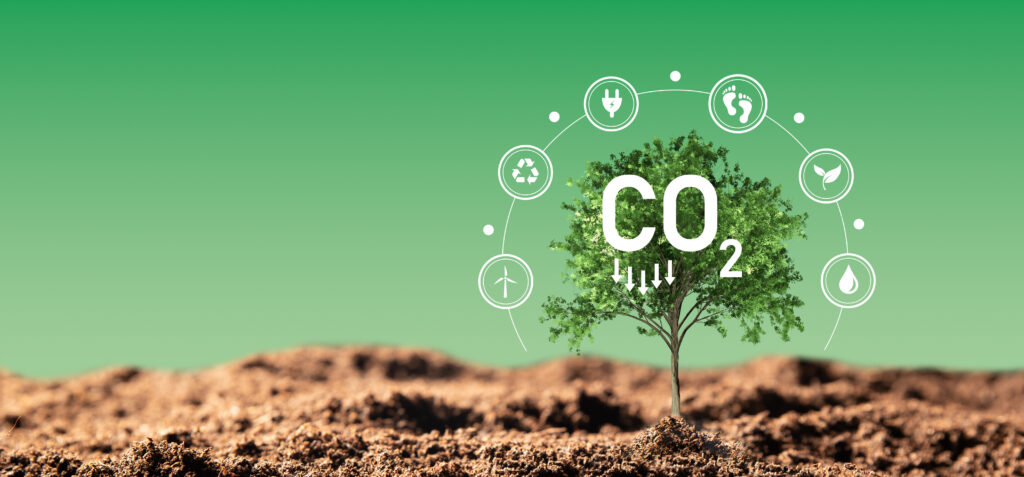
When we think of carbon, we think of emissions, factories, energy, and CO₂.
Originally, it was all about the atmosphere.
But now, countries are beginning to count the amount of carbon in the soil. Why is that?
What is soil carbon? (A commonly misunderstood premise)
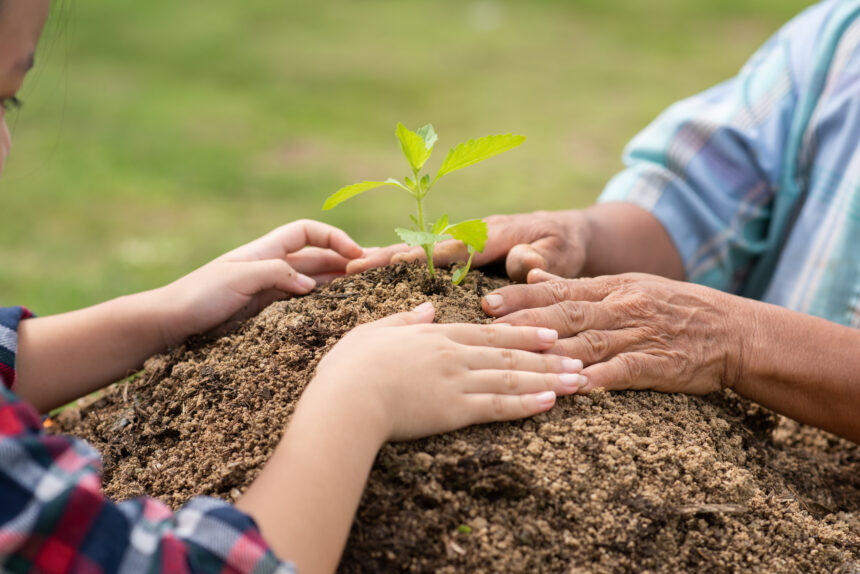
Soil carbon refers to the total amount of carbon fixed in the soil as organic matter, microorganisms, mycelium, root residues, etc.
This is not just an environmental indicator.
Soil with high soil carbon is better able to retain water, store nutrients, be more resistant to disease, and produce more stable yields.
In other words, it reflects a country’s food production capacity.
The first thing the nation realized was the "limits of agriculture"
The first thing countries faced wasn’t climate change. It was the instability of agriculture.
– Yields didn’t increase even with the same inputs. – Droughts and floods occurred simultaneously. – Crops didn’t grow even without disasters.
At this point, countries realized: “The problem isn’t in the sky, it’s right under our feet.”
Soil carbon was an indicator of water
Soil carbon is inseparable from water.
・Increased carbon → Formation of soil aggregates → Water infiltration → Soil storage
Conversely, ・Decreased carbon → Soil compaction → Water runoff → Accelerated droughts and floods
What nations really fear is a breakdown in water management.
Dams and pipes are useless if the soil can’t retain water.
Why "soil carbon" and not "CO₂"?
CO₂ reduction directly restricts industry, energy, and daily life.
The political cost is too high.
Soil carbon, on the other hand, is different.
It can be implemented as an agricultural policy.
It can be combined with regional development.
It’s ostensibly an “environmental measure.”
In reality, it’s “food security.”
For the nation, it was the most realistic survival strategy.
Soil carbon quantifies "national resilience"
The reason countries start counting soil carbon isn’t because of heightened environmental awareness.
– Can the soil withstand drought? – Can the soil absorb floods? – Can the soil continue to produce even if chemical supplies are cut off?
Soil carbon is a single indicator that allows us to see all of these things.
In other words, soil carbon = a nation’s resilience.
Why international organizations took action
This trend was driven by international organizations such as the FAO.
They concluded that:
Food issues
Water issues
Climate issues
These issues are not separate, but converge into one thing: soil.
So the idea was to “measure the soil first.”
Why hemp is making a comeback
This is where hemp comes into play again.
Hemp
– Increases soil carbon
– Provides organic matter quickly
– Does not rely on chemicals
– Transforms soil quickly and quietly, to the point that countries fear it.
That’s why many countries
keep its use within “manageable limits.”
The state looked at the numbers and began to change course.
The moment nations began counting soil carbon, one truth became clear:
Civilization is determined by the amount of soil remaining.
Soil runs out before economic growth.
Recovery takes longer than political cycles.
This reality could not be ignored.
Conclusion
Nations are beginning to count soil carbon not for environmental reasons, but for survival.
Soil carbon is not a climate indicator; it’s a life expectancy chart for civilization.
And now, for the first time, many nations are beginning to face up to how much they have left.