
-- The real cause of Argentina's drought and the only way to recover
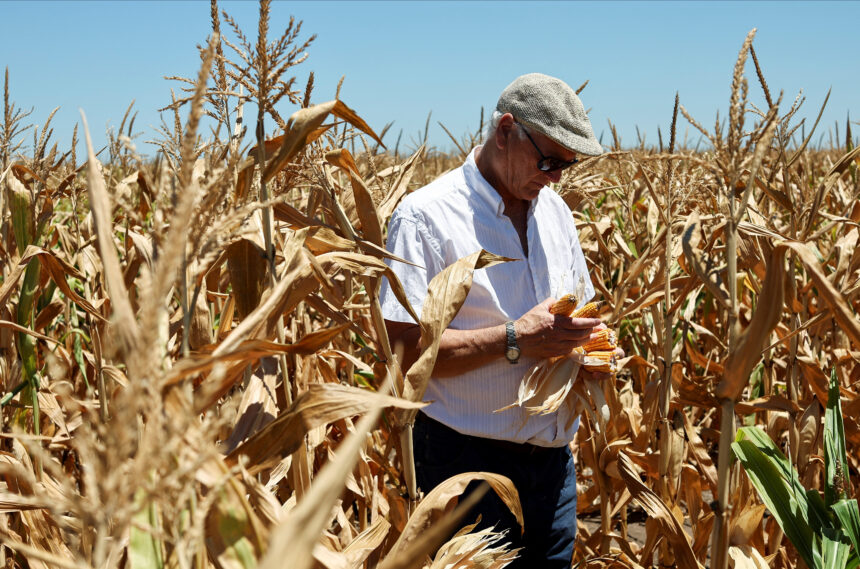
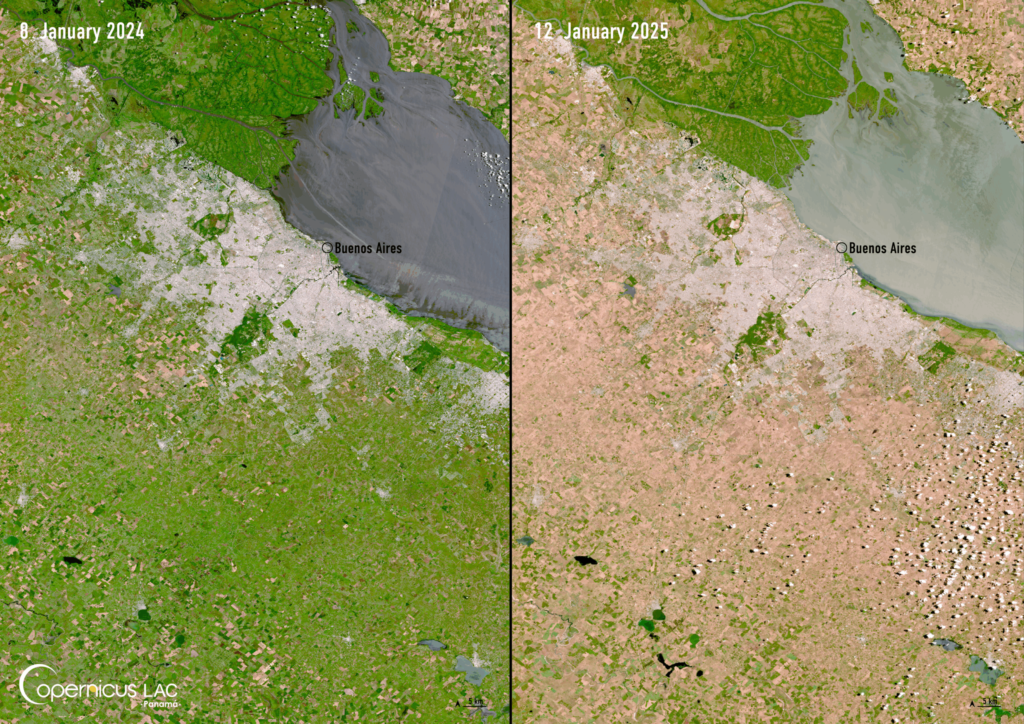
Argentina, one of South America’s largest grain producers, has been hit by repeated severe droughts in recent years.
This has destabilized production of soybeans, corn, and wheat, crops that support the global market, and is having a major impact on the country’s economy as a whole.
However, this drought is not simply a “lack of rain.”
Attributing the drought solely to climate change or the La Niña phenomenon misses the core of the problem.
The fundamental problem lies in the soil, not water.
Dams store water, but the soil remains waterless
The first measures that come to mind when dealing with drought are dams and large-scale irrigation.
The idea of collecting, storing, and distributing water seems rational at first glance.
But in reality, building more dams will not stop droughts.
This is because the farmland itself is no longer able to retain water.
In Argentina’s major agricultural areas, for many years,
Large-scale, continuous cultivation of a single crop
Deep plowing and excessive mechanization
A reliance on chemical fertilizers and herbicides has continued.
As a result, organic matter, microorganisms, and mycelial networks in the soil have been destroyed.
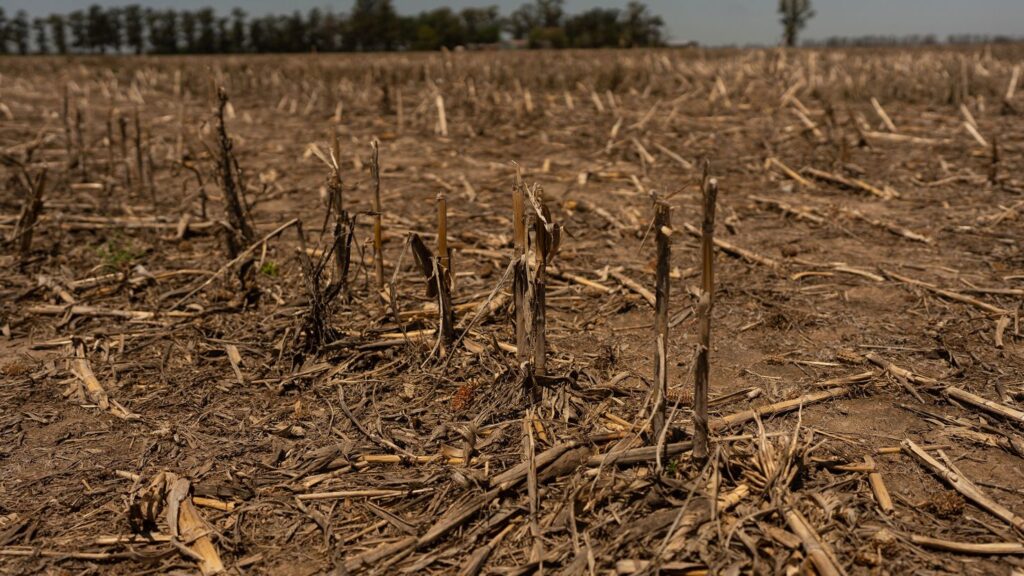
Even when it rains, water does not penetrate the soil, but instead runs off the surface and disappears.
This is not a “water shortage,” but a collapse of the soil’s water-retention function.
The structure of modern agriculture that accelerates drought
Healthy soil is essentially a giant sponge.
Rich in microorganisms and organic matter, soil stores rainwater and slowly distributes it to crops.
However, chemical-based agriculture destroys this structure.
– Over-plowing cuts mycelium.
– Organic matter is not replenished, resulting in a decrease in soil carbon.
– Topsoil erosion causes the formation of a hardpan.
In this way, the land becomes a “field that refuses rain.”
No matter how many dams you build, it’s pointless if the fields can’t hold water.
It's the roots, not the infrastructure, that save water
Here’s a crop worth noting:
Hemp.
Hemp is more than just a fiber crop.
It has extremely unique properties that regenerate soil.
How hemp restores the water cycle:
– Its roots grow deep, breaking down the hardpan.
– Its roots secrete sugars, activating soil microorganisms.
– It rebuilds the mycelial network, creating pathways for water and nutrients.
– Its above-ground growth is rapid, preventing surface drying and evaporation.
As a result,
the soil once again retains water and begins to breathe.
This is not a theory; it’s a phenomenon that has been proven in the fields of soil ecology and regenerative agriculture.
Dams "collect" but hemp "calls back"
Dams centralize water management.
Hemp, on the other hand, restores the water cycle in a decentralized way.
– Water is stored in each field.
– Groundwater recovery is promoted.
– Heavy rain is absorbed and released during drought.
This system is more resilient to climate change than large infrastructure because it doesn’t break down.
Argentina needs a "change of ideology"
Argentina’s drought is not a natural disaster.
It is the result of agricultural philosophies.
From yield maximization to soil restoration
From chemical reliance to biological circulation
From dam-centered water management to soil-centered water circulation
Hemp is at a turning point.
Conclusion
It’s not concrete that saves us from drought.
It’s roots, fungi, and soil that save us water.
And one of the crops that offers the quickest route to regeneration is hemp.
The future of Argentina will be determined not by how big the dams we build,
but by how much of the soil we revitalize.