- The reality revealed by the PBS survey and the alternative answer: "Planting it together with hemp" -
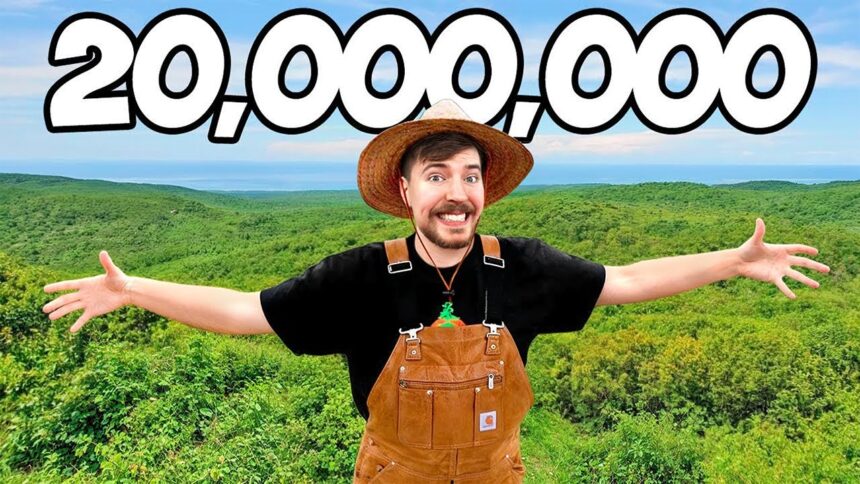
In 2019, MrBeast set the highly symbolic goal of planting 20 million trees.
The challenge quickly spread, and with the help of YouTubers and science communicators,
they raised a massive sum of approximately $20 million (approximately 3 billion yen).
The video highlighted MrBeast himself planting the first 2,000 trees,
and described the project as a success story
of how goodwill and action can change the world.
But a few years later,
the PBS show Weathered and a NOVA investigation
quietly examined the “results.”
The challenge quickly spread, and with the help of YouTubers and science communicators,
they raised a massive sum of approximately $20 million (approximately 3 billion yen).
The video highlighted MrBeast himself planting the first 2,000 trees,
and described the project as a success story
of how goodwill and action can change the world.
But a few years later,
the PBS show Weathered and a NOVA investigation
quietly examined the “results.”
PBS on-site verification of undeniable numbers
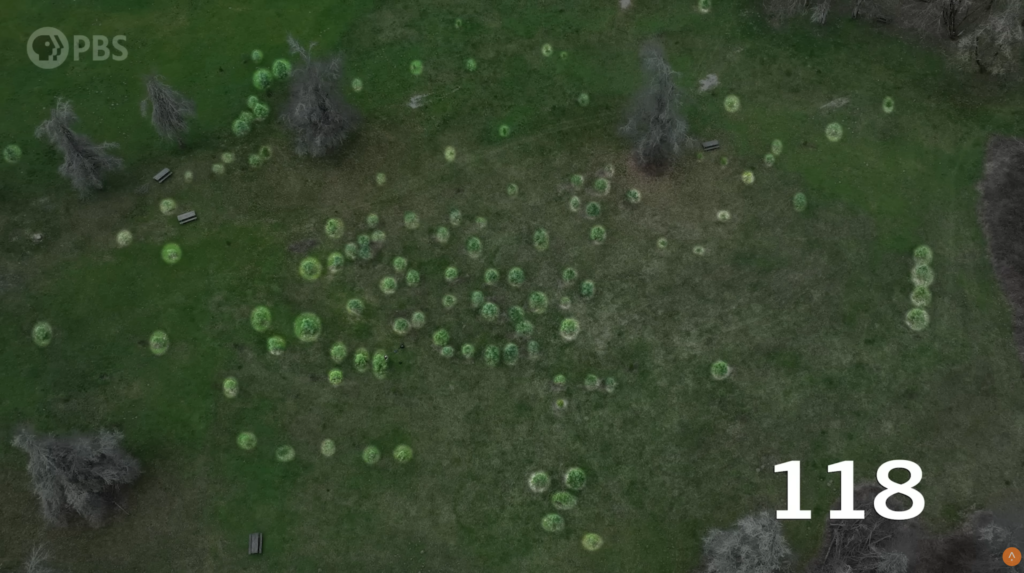
The PBS team visited the state park where MrBeast allegedly planted “at least 2,000 trees” in the video and actually counted the number on site.
The results were as follows:
– Number of trees allegedly planted: Approximately 2,000
– Number of trees confirmed several years later: Approximately 118
– Survival rate: Approximately 6%
This is not a rumor, speculation, or exaggeration by opponents.
These are actual numbers counted during the PBS program.
The results were as follows:
– Number of trees allegedly planted: Approximately 2,000
– Number of trees confirmed several years later: Approximately 118
– Survival rate: Approximately 6%
This is not a rumor, speculation, or exaggeration by opponents.
These are actual numbers counted during the PBS program.
What went wrong? Confusing "planting trees" with "creating forests"
The problem consistently pointed out by PBS and NOVA was not a lack of funding, effort, or goodwill.
The core point made in the program can be summed up in this sentence:
“It wasn’t about the forest, it was about the trees.”
“The problem was that they only focused on the trees, not the forest.”
In other words, it was a structural failure: they simply lined up the trees without creating a forest.
The core point made in the program can be summed up in this sentence:
“It wasn’t about the forest, it was about the trees.”
“The problem was that they only focused on the trees, not the forest.”
In other words, it was a structural failure: they simply lined up the trees without creating a forest.
Young forests actually "emit carbon"
The PBS program scientifically demonstrates a fact that many people misunderstand.
– Young forests
– For the first 20 years or so, they become a net carbon source, not a carbon sink.
– The reasons for this are soil respiration, decomposition of dead organic matter, and low photosynthesis in young trees.
In other words,
– The understanding that “young trees grow quickly, so they quickly reduce CO₂” is scientifically incorrect.
– Young forests
– For the first 20 years or so, they become a net carbon source, not a carbon sink.
– The reasons for this are soil respiration, decomposition of dead organic matter, and low photosynthesis in young trees.
In other words,
– The understanding that “young trees grow quickly, so they quickly reduce CO₂” is scientifically incorrect.
Why did almost none of the 2,000 trees survive?
The causes identified by PBS are clear:
– The forest lacked the “sun-modulating power” of a mature forest.
– The forest lacked the “layer of roots and fallen leaves” that maintains surface moisture.
– The soil dried out, preventing the microbial network from recovering.
To make matters worse, the extreme weather of 2021 hit the area.
– The area was hit by a heat dome that reached approximately 51°C (124°F).
PBS clearly stated in the program that “this may have killed MrBeast’s tree.”
With only young trees exposed, the trees could not withstand the extreme heat.
– The forest lacked the “sun-modulating power” of a mature forest.
– The forest lacked the “layer of roots and fallen leaves” that maintains surface moisture.
– The soil dried out, preventing the microbial network from recovering.
To make matters worse, the extreme weather of 2021 hit the area.
– The area was hit by a heat dome that reached approximately 51°C (124°F).
PBS clearly stated in the program that “this may have killed MrBeast’s tree.”
With only young trees exposed, the trees could not withstand the extreme heat.
The option of "hemp" emerges here
Hemp is never directly mentioned in the PBS program.
However, when you compare the “conditions for success” outlined by PBS and NOVA,
it becomes clear that the hemp plant is an extremely compatible fit.
However, when you compare the “conditions for success” outlined by PBS and NOVA,
it becomes clear that the hemp plant is an extremely compatible fit.
PBS's "Conditions for Young Trees to Survive"
The conditions outlined in the program were as follows:
– Avoiding strong sunlight in the early stages
– Preventing the soil surface from drying out
– Restoring soil bacteria and structure
– Not relying on continuous human care
– Avoiding strong sunlight in the early stages
– Preventing the soil surface from drying out
– Restoring soil bacteria and structure
– Not relying on continuous human care
The potential role of hemp
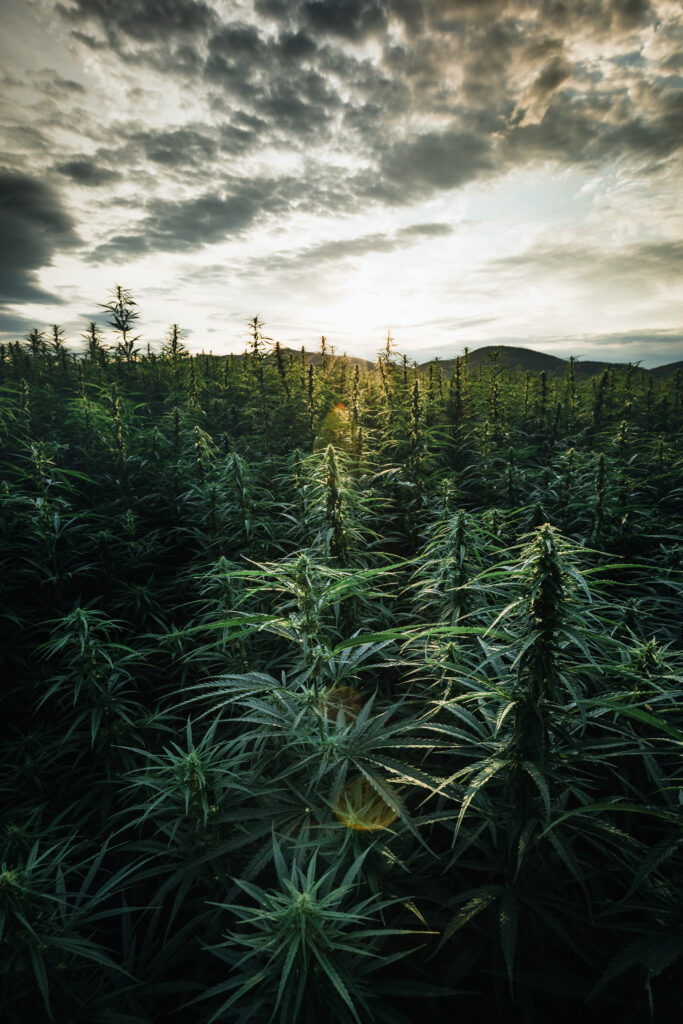
Hemp has the following characteristics:
– Extremely fast growth
– An annual plant that always dies and returns to the soil
– Deep, fine roots that loosen the soil
– Outcompete weeds but do not dominate trees
If, in the early stages of planting,
– Hemp had been grown at high density first
– Interspersed with native trees,
Hemp
– Exposes sunlight and wind first
– Lowers ground surface temperatures
– Retains moisture
– Regenerates soil bacteria and water pathways
– Withers after a year, becoming a natural mulch
In other words,
It is highly likely that a “space” that functions without human maintenance
could have been created first.
– Extremely fast growth
– An annual plant that always dies and returns to the soil
– Deep, fine roots that loosen the soil
– Outcompete weeds but do not dominate trees
If, in the early stages of planting,
– Hemp had been grown at high density first
– Interspersed with native trees,
Hemp
– Exposes sunlight and wind first
– Lowers ground surface temperatures
– Retains moisture
– Regenerates soil bacteria and water pathways
– Withers after a year, becoming a natural mulch
In other words,
It is highly likely that a “space” that functions without human maintenance
could have been created first.
Why was this design not chosen?
The reason lies not in the technology, but in the structure.
– Plantings are evaluated by the number of trees.
– Grass is not a KPI.
– It doesn’t look like a forest in the first year.
– Legal and image issues.
As a result, there was a fatal mismatch between goodwill managed by numbers and the time required for ecosystems.
– Plantings are evaluated by the number of trees.
– Grass is not a KPI.
– It doesn’t look like a forest in the first year.
– Legal and image issues.
As a result, there was a fatal mismatch between goodwill managed by numbers and the time required for ecosystems.
What the 6% number really tells us
This story is not one in which Mr. Beast was wrong.
The conclusions reached by PBS and NOVA are rather this:
Planting trees is important,
but protecting existing forests is far more effective.
And mass planting without regard for the complexity of forests is unlikely to produce results.
The conclusions reached by PBS and NOVA are rather this:
Planting trees is important,
but protecting existing forests is far more effective.
And mass planting without regard for the complexity of forests is unlikely to produce results.
Summary
MrBeast’s tree planting project was a goodwill project worth approximately ¥3 billion.
PBS’s actual measurements confirmed that only 118 out of 2,000 trees (about 6%) were affected.
The cause wasn’t a lack of goodwill, but a design problem.
Saplings can be a source of carbon emissions for about 20 years.
Forests survive through their structure, not their management.
If early-stage plants like hemp had been used, their survival rate would likely have increased even without human management.
If we wanted to save the trees, we couldn’t just focus on them.
This is a story about forests, environmental activism, and a story about the structure that causes goodwill to fail.
PBS’s actual measurements confirmed that only 118 out of 2,000 trees (about 6%) were affected.
The cause wasn’t a lack of goodwill, but a design problem.
Saplings can be a source of carbon emissions for about 20 years.
Forests survive through their structure, not their management.
If early-stage plants like hemp had been used, their survival rate would likely have increased even without human management.
If we wanted to save the trees, we couldn’t just focus on them.
This is a story about forests, environmental activism, and a story about the structure that causes goodwill to fail.