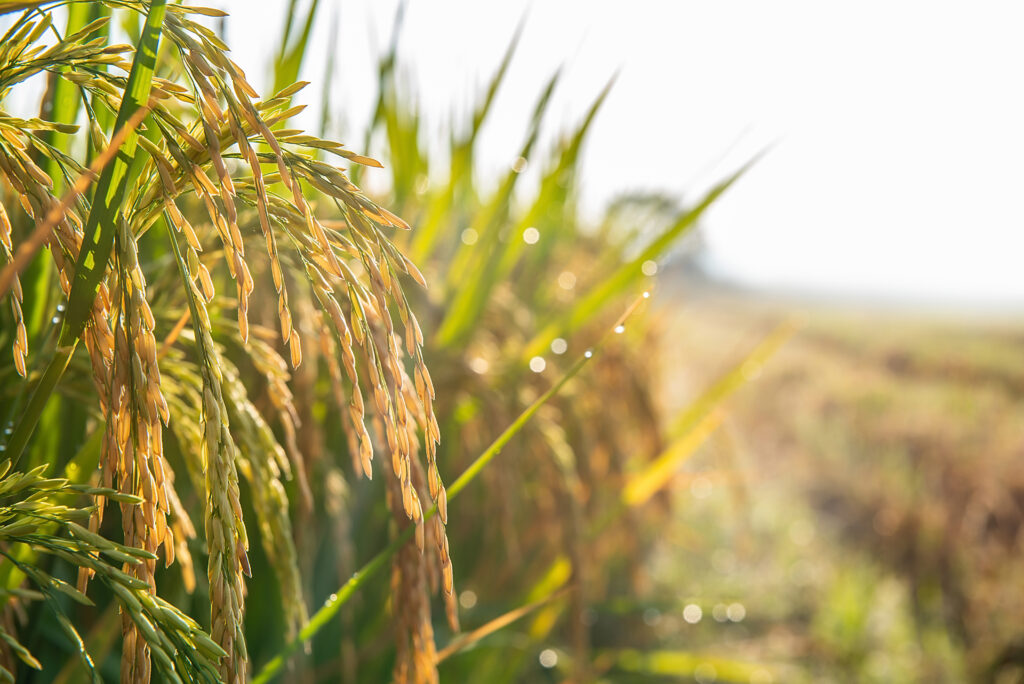
Not the yield, but a sense of accomplishment has disappeared.
But then, we add hemp to such paddies just once.
What will happen after just that?
To put it simply,
Once you introduce a hemp crop, the rice field will begin to change from one that “wouldn’t survive without management” to one that “can recover on its own.”
It’s not dramatic magic. But it definitely changes direction.
The first thing to change is what's in the soil
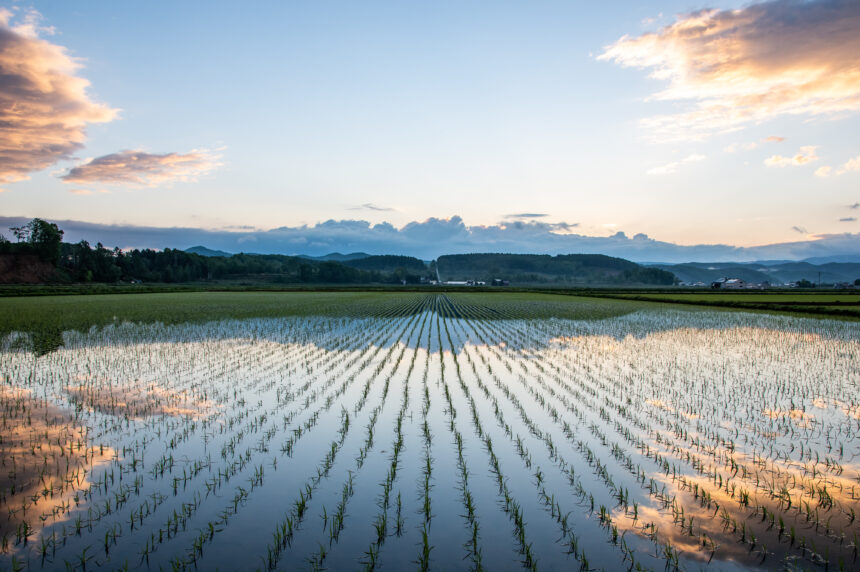
Rice fields that have been cultivated for a long time often suffer from unseen fatigue.
– Roots tend to become shallow. – The soil hardens. – Despite the presence of water, the soil is unable to breathe.
When hemp is added to these fields,
– The roots grow deeper. – The soil is physically loosened. – Air and water channels are created.
As a result, the soil begins to return to a state where bacteria can thrive.
When the bacteria return, the water changes.
Once the bacteria increase, the next thing to change is the water.
– Water is less likely to spoil. – Odors are reduced. – Gas buildup is less likely.
This is because the bacteria break down organic matter, stabilizing the boundary between the water and soil.
Once the water is stable, it’s ready for the next organism to return.
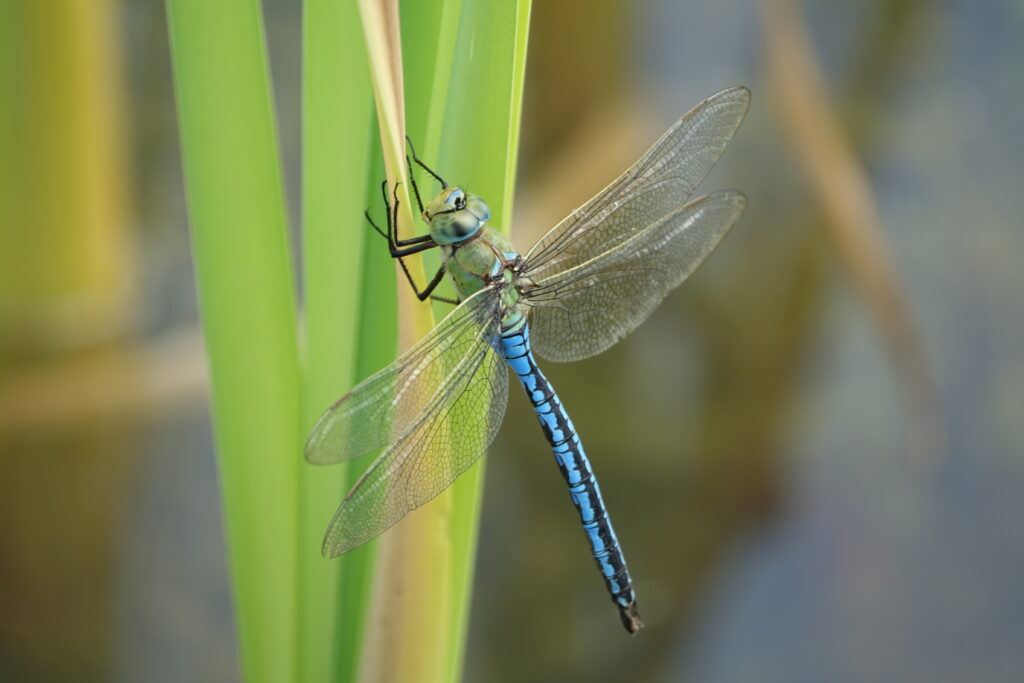
Insects do not "suddenly increase" but "establish themselves"
Hemp fields don’t experience an explosive insect population growth.
Beneficial insects remain.
Aquatic insects thrive.
Dung and carcasses are returned to the soil.
This quiet movement benefits when the fields are returned to rice cultivation.
The year after rice cultivation is resumed,
pests are less likely to become extremely aggressive.
Increased success without the need for pesticides.
This is not because insects have returned, but because the fields have become a “habitable place” for them.
Rice roots change
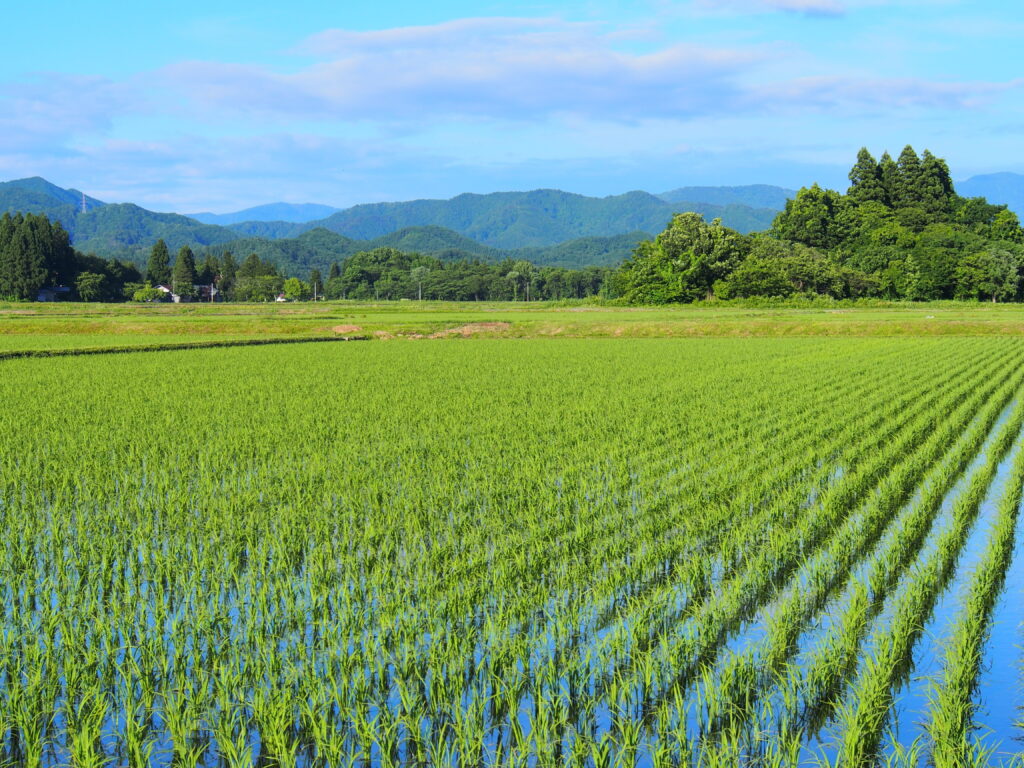
When rice is grown after hemp is introduced,
– the roots become thicker – the plants spread out – the plants are less likely to fall over
The reason is simple: The soil and fungi become more supportive of the rice.
The rice changes from being pulled down by fertilizer to standing rice that stands upright with the soil.
The number of things that don't need to be included increases
Rice fields that grow a single crop of hemp tend to see the following changes:
– Reduced use of pesticides – Reduced use of fertilizer – Easier water management
In other words, it’s not the result of adding something, but rather of not having to add anything.
This is a huge benefit for farmers.
Why "Once" is Enough
The important thing is, hemp doesn’t need to be grown every year.
– Repairs the soil structure – Restores fungal diversity – Gets the cycle started
Once this happens, rice cultivation can take over.
Hemp is not the main focus, but a supporting role.
Just getting closer to traditional agriculture
Adding hemp is not a new idea.
Crop rotation
Allowing the soil to rest
Adding different roots
In the past, this was done naturally.
Now, we just have to be conscious of it and do it again once.
Summary
With a hemp crop, a rice field
– The soil breathes – Fungi become active – Water becomes stable – Insects become established – The rice plants stand on their own
and begin to move in these directions.
This is not a technique to increase yields, but rather preparation to keep the rice field running.
What the future of agriculture needs
is not to force things forward.
It’s about stopping and repairing the soil.
As one way of doing this, hemp is a very quiet and rational choice.