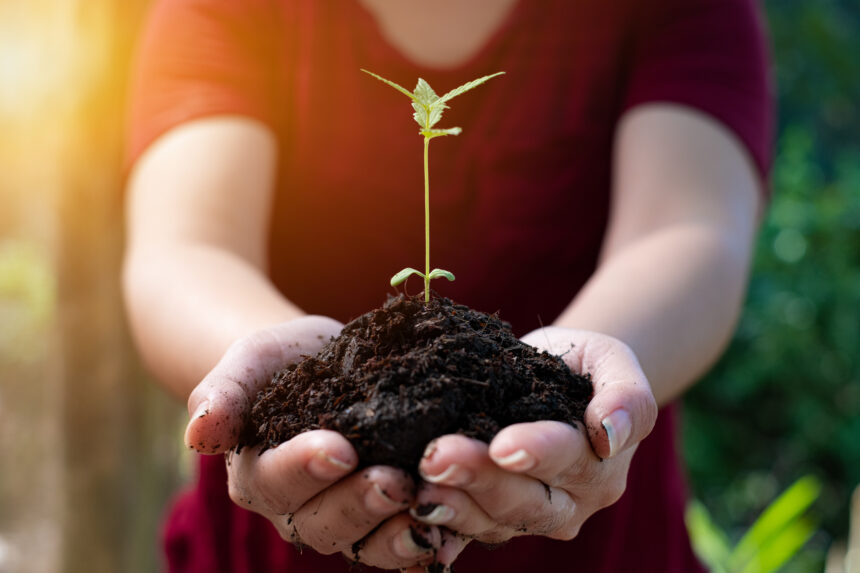
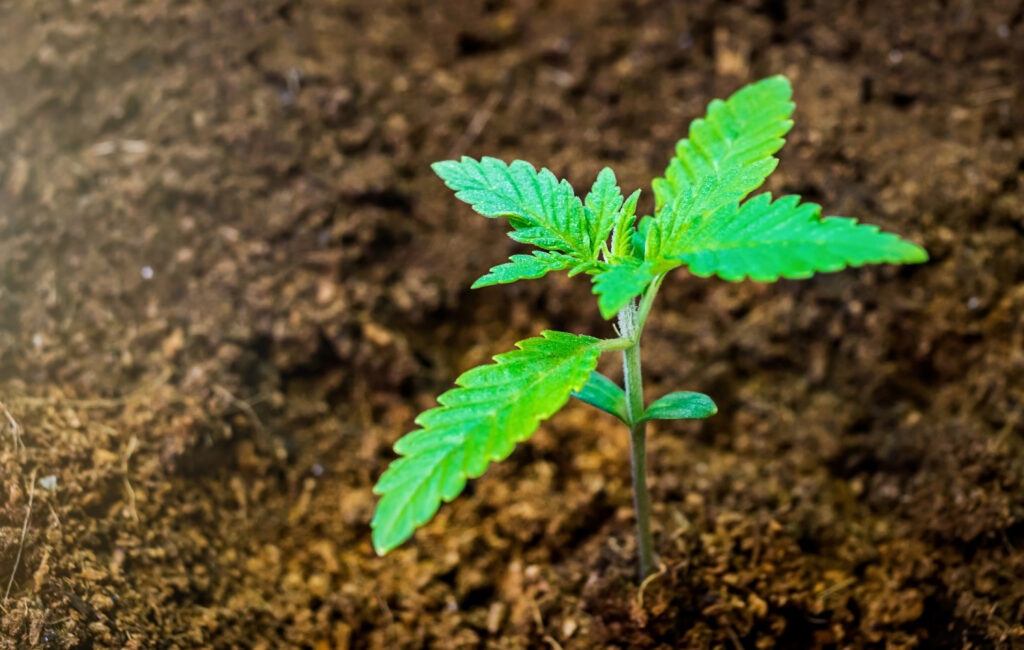
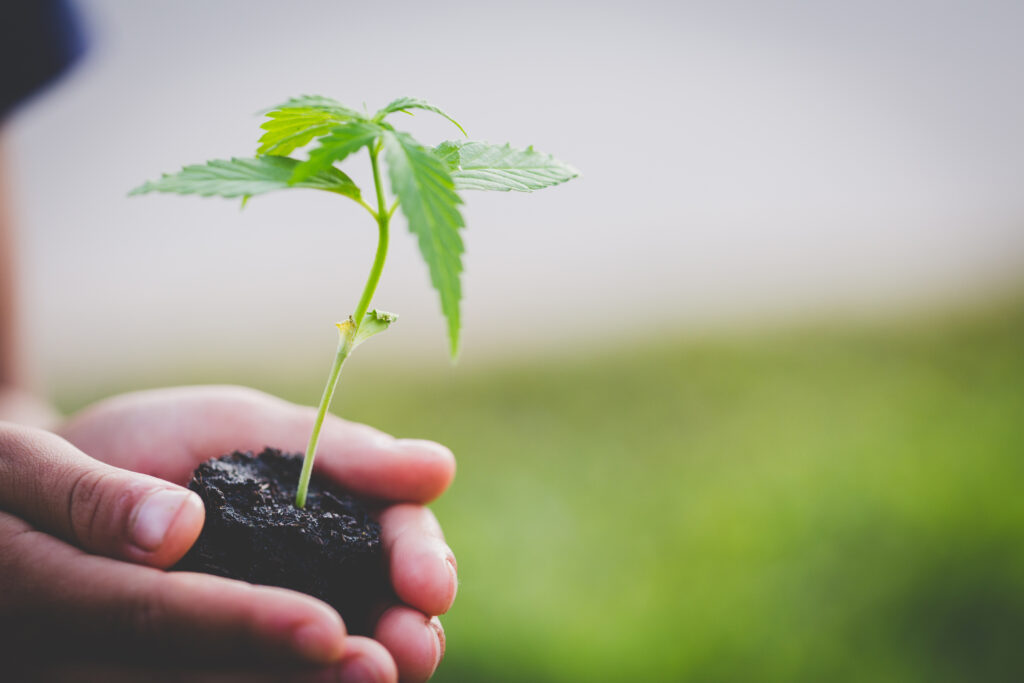
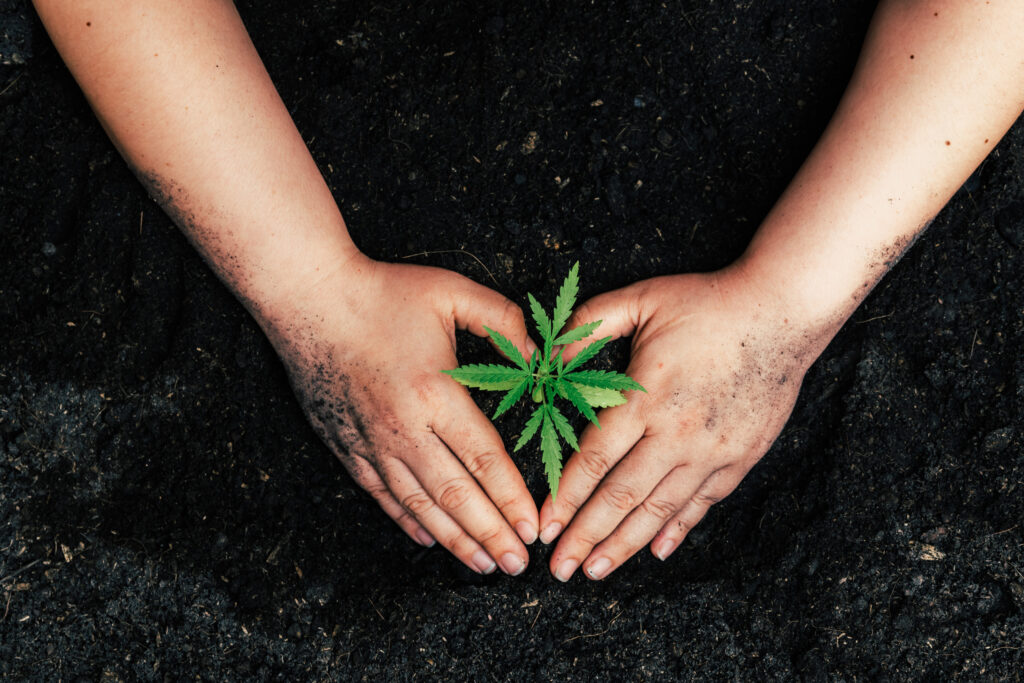
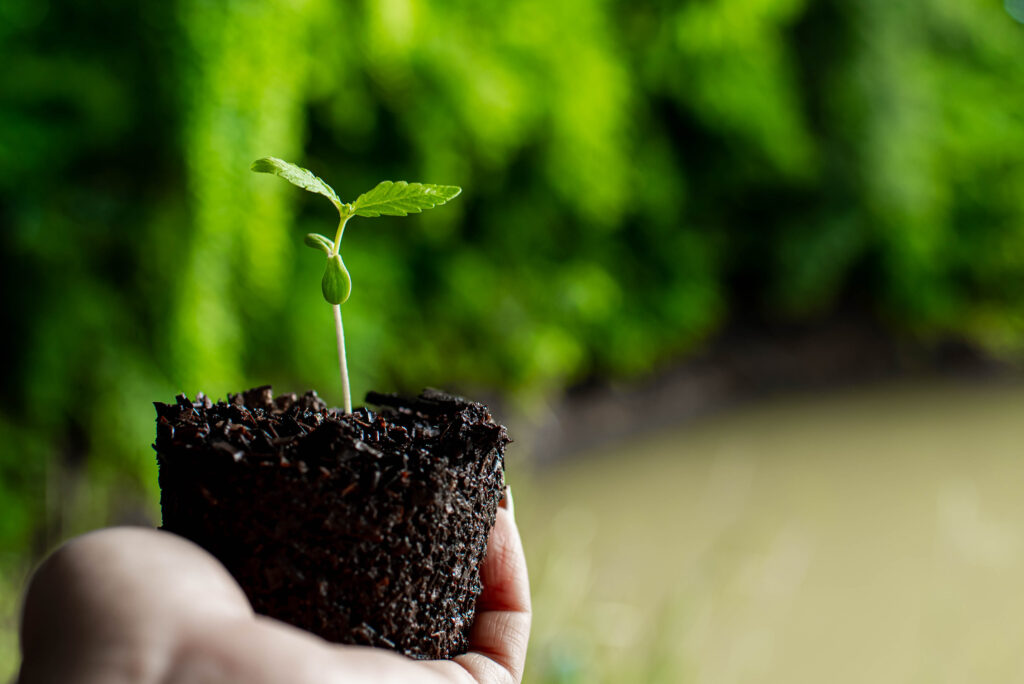
Hemp: A crop that heals the soil - The origins that the future of agriculture should remember When talking about the future of agriculture,people tend to search for “new technology” and “efficiency.” But perhaps what we really need nowis not to move forward, but to remember. And the crop at the heart of this is hemp. Hemp is not a "crop to grow" but a "crop to heal" Many cropstake nutrients from the soil, are harvested, and then are gone. Hemp is different.Hemp first rebuilds the soil itself. Deep rootsFast growthLarge amounts of organic matterIndependent of pesticide use All of these are essential for restoring weakened soil. Once the soil dies, it doesn't come back immediately. There’s a fact that’s often overlooked in modern agriculture. Once soil is damaged,it won’t be revived, even with the addition of fertilizer. This is becausesoil isn’t actually a “substance,”but a collection of bacteria and microorganisms. Soil with a reduced bacterial load • Becomes more susceptible to disease • Water becomes stagnant • Crops become weaker The more fertilizer is added under these conditions,the more fatigued the soil becomes. Hemp creates an environment where fungi can take center stage What makes hemp special is that it attracts fungi rather than killing them. – Secretions from its roots serve as food for fungi.– It easily coexists with mycorrhizal fungi.– It creates pathways for air and water in the soil. As a result,– Fungi increase.– It creates a crumbly structure.– It prevents pathogens from remaining. Hemp does not “sterilize the soil,”– It creates an environment in which the soil can naturally adjust. Hemp is not hostile to insects Many agricultural practices have traditionally considered insects to be “something to be eliminated.” Hemp is different. – Insect-resistant properties– A friendly environment for beneficial insects– No need for pesticides As a result,the balance between insects, fungi, and plants is naturally maintained. By not killing insects,hemp is able to achieve strength that is independent of insects. Used as a "soil recovery crop" around the world Around the world, hemp is already being used for: – as a key component of crop rotation – restoring fallow land – and revitalizing polluted soil. This isn’t because it’s eco-friendly; it just makes sense. Japan was the country that knew about hemp We must not forget that Japan was originally a country of hemp. ・Clothing・Rope・Paper・Festivals・Agriculture Hemp served as a link between life and nature. With its disappearance,both the soil and agriculture began to be strained. What the future of agriculture needs is not "strength" What agriculture needs in the futureis not stronger medicines or faster growth. The ability to bounce back The ability to recover The ability to bounce back even after being broken Hemp is at the origin of this. Summary Hemp– Doesn’t demand much– Doesn’t kill anyone– Doesn’t leave behind soil That’s why it has become a crop that heals the soil. Perhaps what the future of agriculture should rememberis not the latest technology, but this feeling that we once let go of.