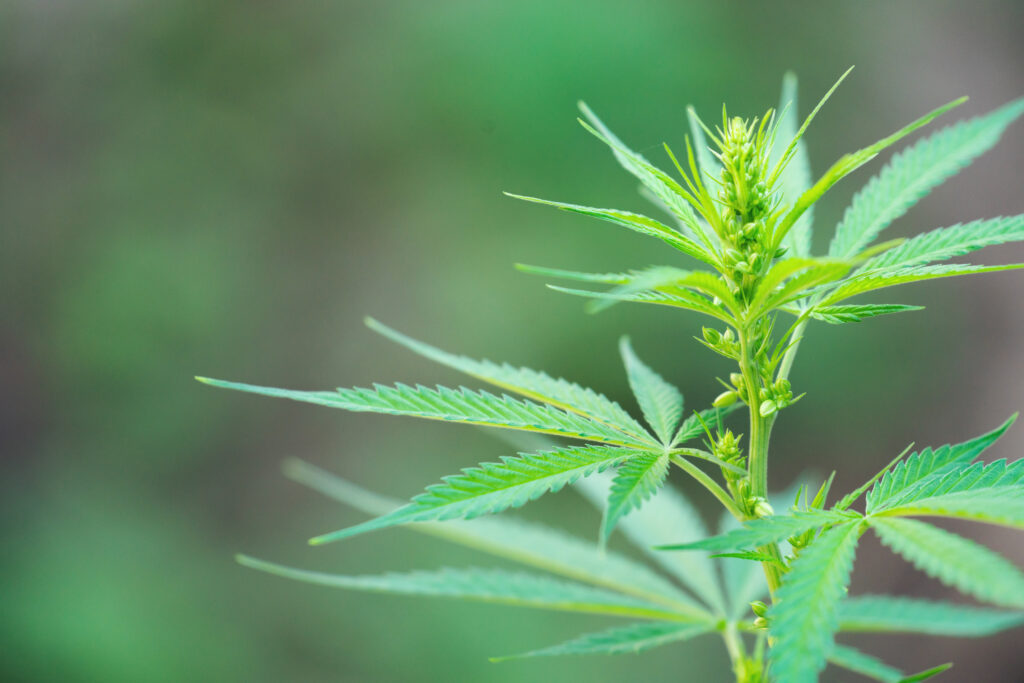
It’s not carbon dioxide that’s destroying the planet

Agriculture, Nitrous Oxide, and Hemp: The Only Answer

For a long time, discussions of global environmental issues have centered around carbon dioxide (CO₂).

Power generation, cars, factories, airplanes…
The shared narrative is that reducing these things will save the Earth.

However, this explanation centers on “easy-to-understand numbers,”
and does not address the true cause.

What is quietly but surely tormenting the Earth is nitrous oxide (N₂O) emitted by agriculture.

The most dangerous greenhouse gas that is rarely talked about

Nitrous oxide is

– a greenhouse gas with a greenhouse effect approximately 300 times greater than carbon dioxide
– can remain in the atmosphere for over 100 years
– not only raises temperatures,
– but also destroys the ozone layer

It is an extremely destructive gas.

Despite this,
it is rarely discussed at the forefront of environmental issues.

The reason is clear:
This gas is not an “accident,”
but is produced by the very structure of today’s agriculture.

Nitrous oxide comes from fields, not factories

The main sources of nitrous oxide are:

– Nitrogen contained in chemical fertilizers

– The process by which it decomposes in the soil

So,
The problem isn’t cars or power plants.

What are we growing, and how are we growing it?

The answer lies there.

Why is chemical fertilizer used so much?

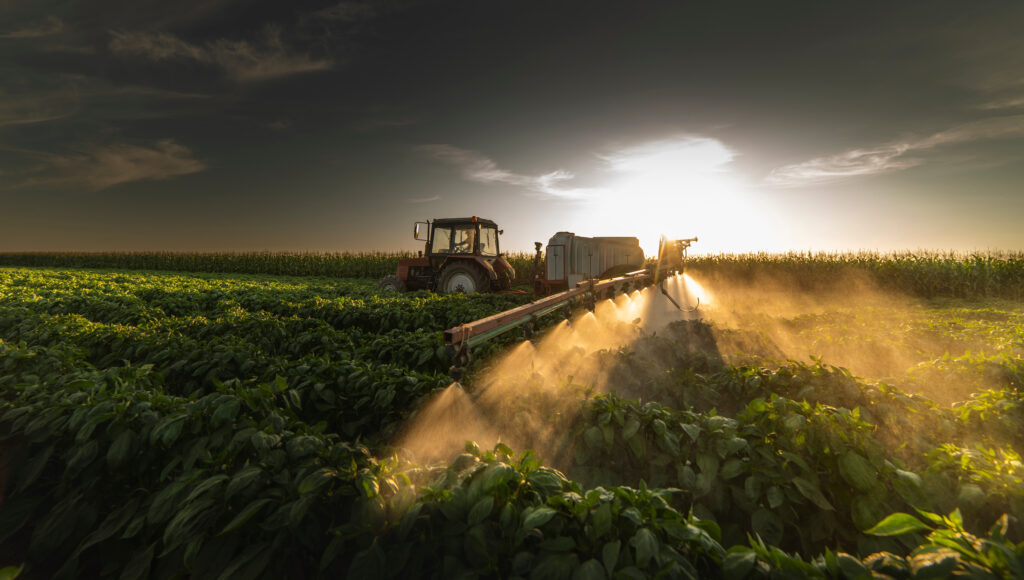
Much of the world’s farmland is used not for human consumption but for producing livestock feed.

To mass-produce meat and dairy products cheaply, it’s necessary to grow crops like corn, soybeans, and wheat in short bursts.

As a result, the use of chemical fertilizers, pesticides, and repeated monocultures has become the norm.

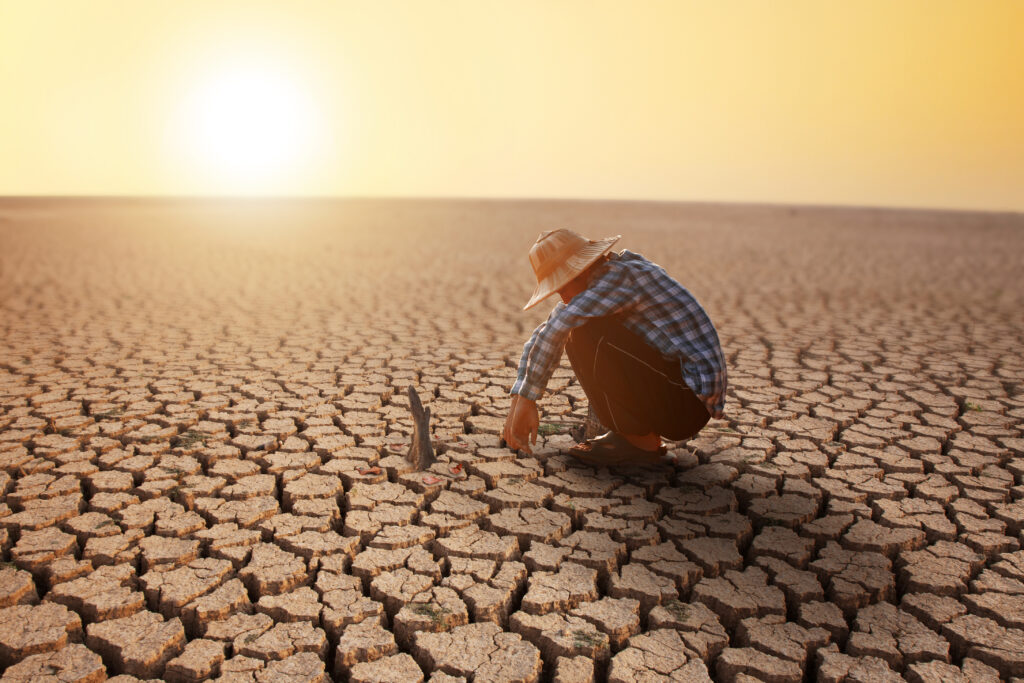
When the soil dies, the earth heats up.

Chemical fertilizers and pesticides
kill not only crops but also living organisms in the soil.

This causes

– the soil to harden
– it to lose its ability to store water
– and the number of microorganisms to decrease.

As a result,

nitrogen flows out of control, and nitrous oxide levels increase.

This is no coincidence.

It’s a structural necessity.

Why the energy transition is not the solution

Renewable energy and electric vehicles certainly make sense.

But

The Earth won’t cool unless agriculture changes.

That’s because

Nistus oxide emissions hardly decrease even if we change power generation methods or switch to electric cars.

This isn’t an energy issue.

It’s a problem of soil and agriculture.

The only solution

Planting Hemp Around the World

So what should we do?

The answer is surprisingly simple:

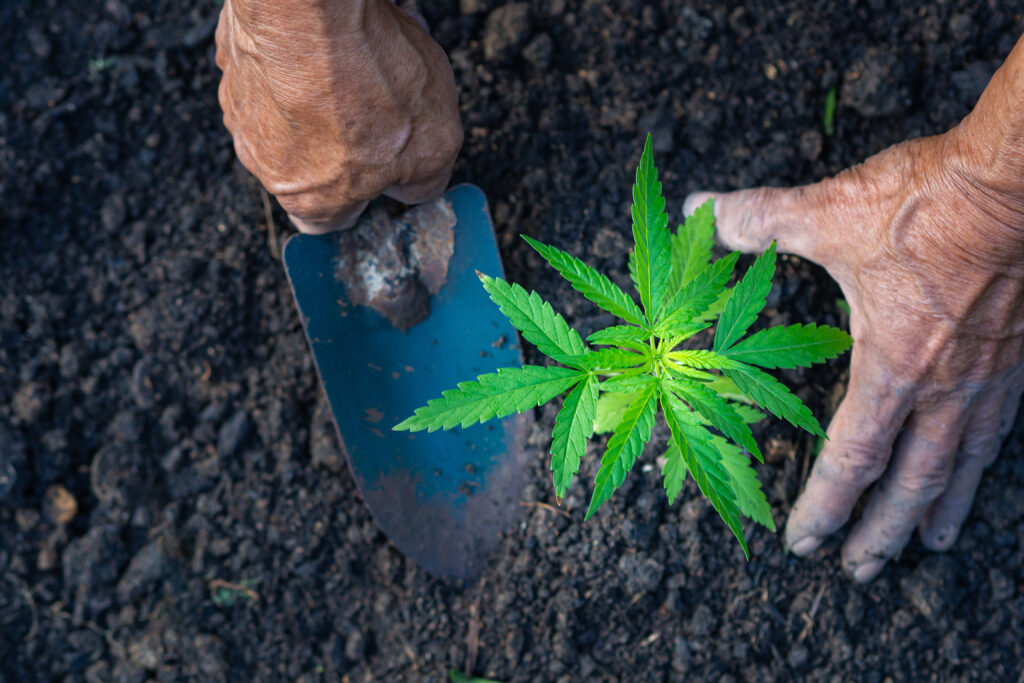
Plant hemp around the world.

There are few other ways to realistically solve so many problems simultaneously.

Why hemp? ①

Little to no chemical fertilizer needed

Hemp

– Can grow in poor soil
– Has little reliance on chemical fertilizer

In other words,

it doesn’t produce the very substances that produce nitrous oxide.

This is a characteristic nearly impossible with other major crops.

Why hemp? ②

No need for pesticides

Hemp grows very quickly,

covering the sky before weeds.

As a result,

– Weeds are less likely to grow
– Insect damage is minimal

As a result,

pesticides are virtually unnecessary.

Why hemp? ③

Soil Restoration

Hemp

– Deep roots
– Loosens the soil
– Brings back microorganisms

In other words,

it is a crop that restores soil rather than consuming it.

It has been shown around the world that fields planted with hemp

produce better crops the next time they are planted.

Why hemp? ④

A “perfect fruit” that can also be used as food

Hemp seeds are not just a by-product.

Rich in omega-3 fatty acids

An ideal balance of essential fatty acids that the body cannot produce

A complete protein containing all essential amino acids

Easily digestible and plant-based

In other words, hemp seeds are

a plant-based superfood.

They can provide the nutrients needed to sustain the human body naturally, without relying on meat.

This has crucial implications for:

Reducing livestock-based food structures

Reducing feed crops

Reducing the use of chemical fertilizers

Why hemp? ⑤

One plant can support an entire civilization.

Hemp can be used for everything:

Food

Fiber

Building materials

Paper

Energy

A single plant can support both life and industry.

This means we can simultaneously transform agriculture, the environment, and the economy.

Environmental problems cannot be solved by "patience"

Society cannot survive on frugality and guilt.

What’s needed is a change in design that is:

• Harmonious with nature

• Economically viable

• Reproducible worldwide.

Hemp meets all of these requirements.

Why hasn't this been said until now?

The reason is simple.

Hemp directly clashes with:

– the chemical fertilizer industry

– the pesticide industry

– huge livestock-based industries.

That’s why it’s been ignored,

and therefore eliminated.

Conclusion

Carbon dioxide is easy to see.

But it’s the reactions happening in the soil that are truly destroying the Earth.

Unless we change the way we farm,
environmental problems will never end.

And the quickest and most surefire way to change agriculture is…

Planting hemp all over the world.

This isn’t about ideology.
It’s about structure.