- Another question raised by Toshio Tamogami's remarks
Introduction: Why Has This Debate Been Avoided So Far?
“Should Japan Possess Nuclear Weapons?”
This question has long been considered taboo in Japan.
Even considering whether one is for or against the issue has been considered inappropriate.
In this climate, former Chief of Staff of the Air Self-Defense Force, Toshio Tamogami, has consistently asserted:
“If Japan truly wants to ensure its own security, it must not shy away from the question of whether or not to possess nuclear weapons.”
This statement has been met with mixed reactions.
But the important question, rather than whether it’s right or wrong, is why this topic has been so hushed up in Japan.
“Should Japan Possess Nuclear Weapons?”
This question has long been considered taboo in Japan.
Even considering whether one is for or against the issue has been considered inappropriate.
In this climate, former Chief of Staff of the Air Self-Defense Force, Toshio Tamogami, has consistently asserted:
“If Japan truly wants to ensure its own security, it must not shy away from the question of whether or not to possess nuclear weapons.”
This statement has been met with mixed reactions.
But the important question, rather than whether it’s right or wrong, is why this topic has been so hushed up in Japan.
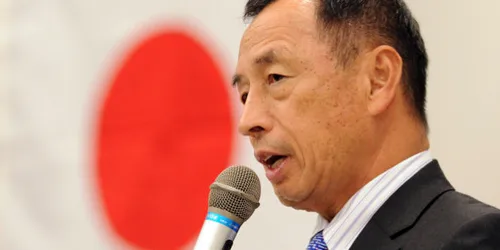
Nuclear weapons are not weapons to be used, but weapons to prevent others from using them
Tamogami’s argument is not emotional.
It is based on the theory of deterrence, which dates back to the Cold War.
●Nuclear weapons are used extremely rarely.
●Nuclear-weapon states have avoided direct war with each other.
●Nuclear-free states, on the other hand, are vulnerable to military pressure.
In other words, Tamogami believes that nuclear weapons have functioned not as a tool to start war, but as a device to prevent it.
What Tamogami is saying is not that Japan should use nuclear weapons.
He is raising the issue that “in a nuclear world, we must face up to the risks of choosing a non-nuclear stance.”
It is based on the theory of deterrence, which dates back to the Cold War.
●Nuclear weapons are used extremely rarely.
●Nuclear-weapon states have avoided direct war with each other.
●Nuclear-free states, on the other hand, are vulnerable to military pressure.
In other words, Tamogami believes that nuclear weapons have functioned not as a tool to start war, but as a device to prevent it.
What Tamogami is saying is not that Japan should use nuclear weapons.
He is raising the issue that “in a nuclear world, we must face up to the risks of choosing a non-nuclear stance.”
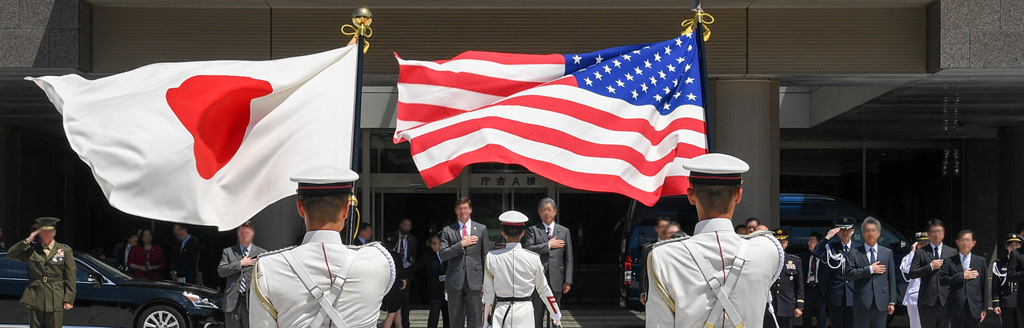
Is the "nuclear umbrella" really unconditional?
Although Japan does not possess nuclear weapons, it is said to be protected by the “nuclear umbrella” of the Japan-US alliance.
However, Tamogami raises questions about this as well.
●Is the United States prepared to suffer a nuclear attack for Japan’s sake?
●Can we assume that the alliance will continue forever?
●Is it acceptable to entrust the country’s ultimate security to the judgment of another country?
These are not provocations.
These are questions that should naturally be considered by any nation.
However, Tamogami raises questions about this as well.
●Is the United States prepared to suffer a nuclear attack for Japan’s sake?
●Can we assume that the alliance will continue forever?
●Is it acceptable to entrust the country’s ultimate security to the judgment of another country?
These are not provocations.
These are questions that should naturally be considered by any nation.
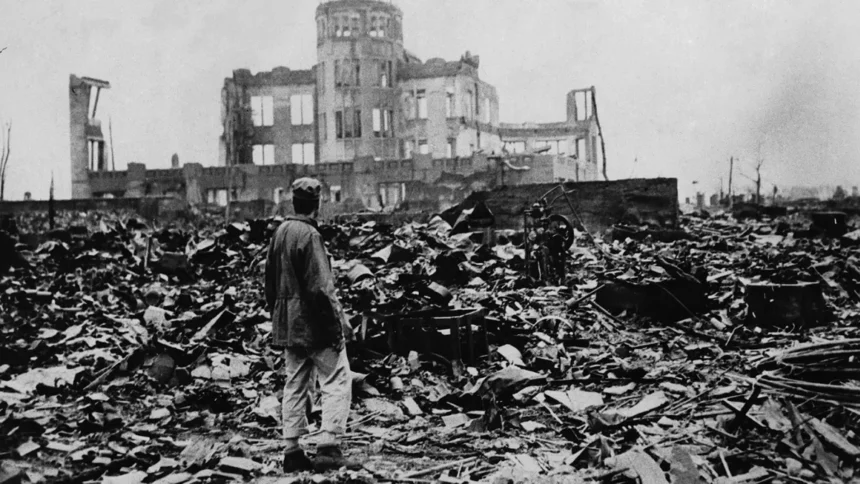
The memory of Hiroshima and Nagasaki and this debate are compatible
When discussing nuclear weapons, the memory of the atomic bombings is always brought up.
Of course, the tragedies of Hiroshima and Nagasaki should not be denied.
In fact, it is precisely for this very reason that Japan has a responsibility to consider how to create a world where nuclear weapons are never used again.
Tamogami’s argument does not minimize the experience of the atomic bombings.
“Precisely because we are a country that knows the tragedy, we should calmly consider a system that will prevent the use of nuclear weapons.”
This position does not necessarily contradict anti-nuclear sentiment.
Of course, the tragedies of Hiroshima and Nagasaki should not be denied.
In fact, it is precisely for this very reason that Japan has a responsibility to consider how to create a world where nuclear weapons are never used again.
Tamogami’s argument does not minimize the experience of the atomic bombings.
“Precisely because we are a country that knows the tragedy, we should calmly consider a system that will prevent the use of nuclear weapons.”
This position does not necessarily contradict anti-nuclear sentiment.
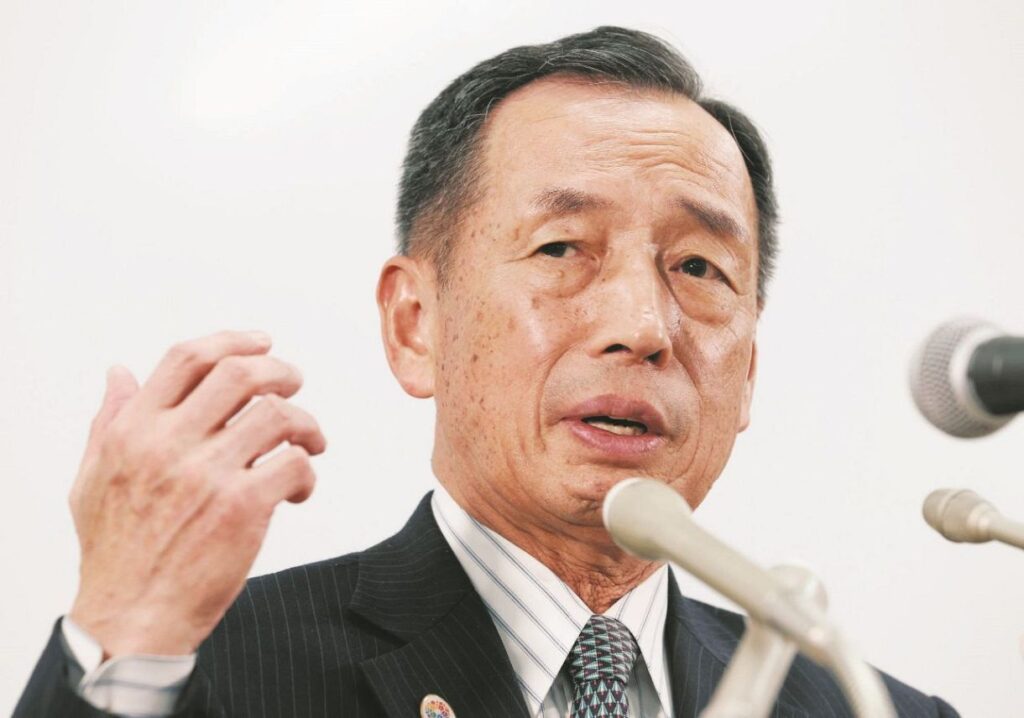
The question is not "for or against"
The essence of this debate
is not whether Japan should possess nuclear weapons.
The real question
is whether Japan can dismiss inconvenient topics regarding its national security as “freedom not to think about.”
It’s fine to be for or against.
But a society that stifles discussion itself cannot be said to be healthy.
Tamagami Toshio’s remarks
are not an attempt to pressure Japan into possessing nuclear weapons,
but perhaps they are a warning to shake up the mental paralysis in Japanese society.
is not whether Japan should possess nuclear weapons.
The real question
is whether Japan can dismiss inconvenient topics regarding its national security as “freedom not to think about.”
It’s fine to be for or against.
But a society that stifles discussion itself cannot be said to be healthy.
Tamagami Toshio’s remarks
are not an attempt to pressure Japan into possessing nuclear weapons,
but perhaps they are a warning to shake up the mental paralysis in Japanese society.
The choice to continue speaking despite criticism
One reason Tamogami Toshio’s comments have sparked such controversy is that they are a position that benefits him in no way.
By speaking out about nuclear possession,
● He faces intense criticism,
● He is shunned by the media,
● He is labeled a “dangerous person.”
As a former Chief of Staff of the Air Self-Defense Force, there’s no way he wouldn’t know that these consequences await him.
So why does he continue to speak out on this topic?
Tamogami himself has repeatedly demonstrated a stance of willingness to promote discussions he believes are necessary for Japan’s future, even at the expense of his own reputation and position.
His comments are not intended to gain popularity or expand his support base.
Rather, they are statements made with the expectation that they will be criticized.
In light of this,
Rather than being a “radical proposal,”
Tamogami’s arguments on nuclear weapons can be seen as a willingness to take on a topic that Japanese society has long avoided.
By speaking out about nuclear possession,
● He faces intense criticism,
● He is shunned by the media,
● He is labeled a “dangerous person.”
As a former Chief of Staff of the Air Self-Defense Force, there’s no way he wouldn’t know that these consequences await him.
So why does he continue to speak out on this topic?
Tamogami himself has repeatedly demonstrated a stance of willingness to promote discussions he believes are necessary for Japan’s future, even at the expense of his own reputation and position.
His comments are not intended to gain popularity or expand his support base.
Rather, they are statements made with the expectation that they will be criticized.
In light of this,
Rather than being a “radical proposal,”
Tamogami’s arguments on nuclear weapons can be seen as a willingness to take on a topic that Japanese society has long avoided.
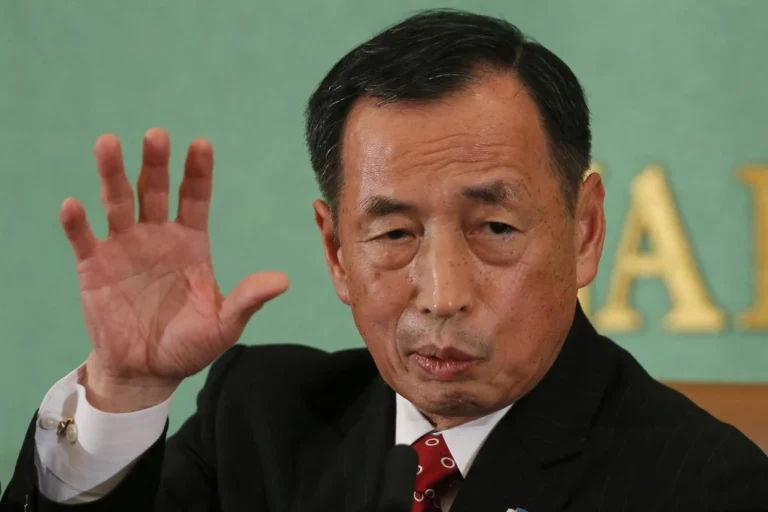
Conclusion: Don't run away from thinking
Debates surrounding nuclear weapons are heavy.
They involve both emotions and history.
That is why
the attitude that “it’s a dangerous topic, so let’s not touch it”
is perhaps the most dangerous of all.
What Tamogami’s remarks offer
is not an answer, but a question.
Whether or not to face that question may itself be the choice that Japan is facing today.
They involve both emotions and history.
That is why
the attitude that “it’s a dangerous topic, so let’s not touch it”
is perhaps the most dangerous of all.
What Tamogami’s remarks offer
is not an answer, but a question.
Whether or not to face that question may itself be the choice that Japan is facing today.