—The Quiet Revolution in Sustainable Leadership
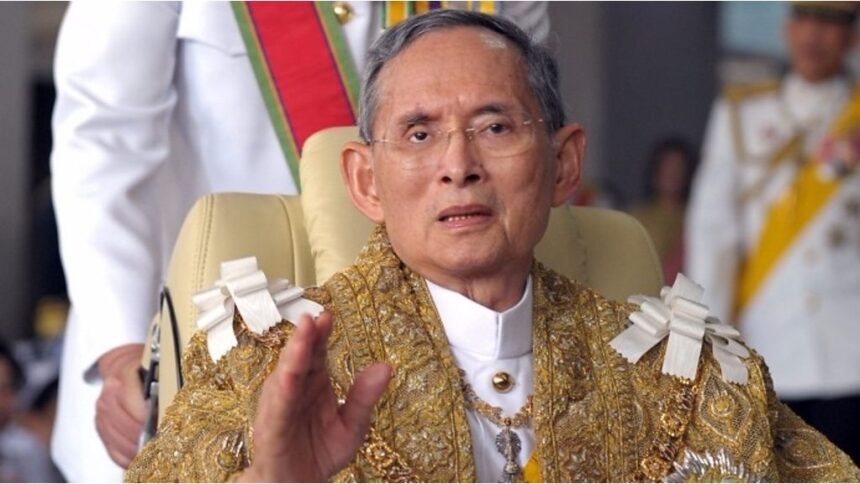
One of the figures in Thai history who has been most deeply engraved in the hearts of the people is King Bhumibol Adulyadej, Rama IX.
During his 70-year reign, he has attracted attention from around the world not for large-scale infrastructure or flashy reforms, but for the practice of his consistent philosophy of “supporting those in vulnerable positions.”
It is also a symbol of the “quiet strength” that modern leaders tend to lose sight of.
■ 1. The philosophy of "saving the weak" is to strengthen the nation
The many projects that the King has put forward are not centered in cities,
●Rural village
Mountainous areas
Ethnic minority communities
They started with structurally disadvantaged areas such as flood zones and drought-prone areas.
Leadership researchers say this
“Bottom-Up Sovereignty”
It is called.
There was a clear idea that supporting the weaker classes would create stability in society as a whole,
and ultimately increase the sustainability of the nation.
■ 2. "Royal Road Economy" - A development model centered on frugality
King Bhumibol proposed the idea of a “Sufficiency Economy,” which combines Asian values with sustainability.
The key points can be summarized into the following three points:
- Moderation
Avoid excessive reliance on growth and stabilize your life foundation.
2. Reasonableness
Choose production methods that suit the characteristics of the region.
3. Resilience
Building a social structure that is resilient to crises.
This was a philosophy for the weak, but also an idea to increase the “durability” of the entire nation.
■ 3. Paving the way in isolated areas: a symbol of social inclusion
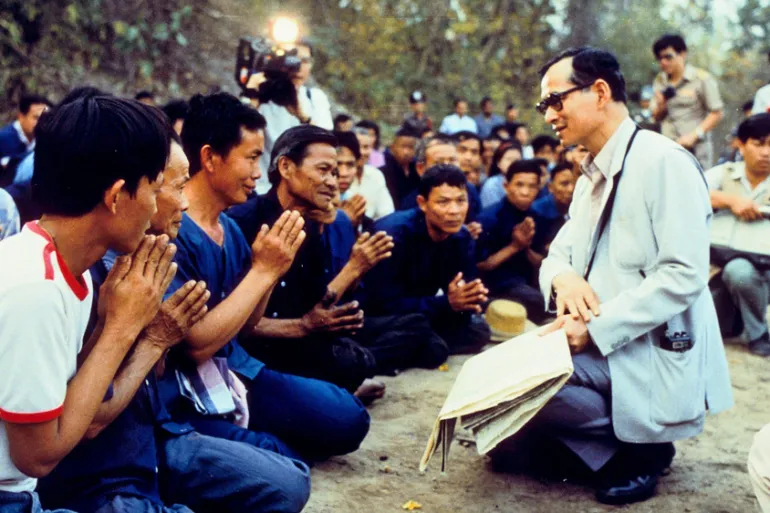
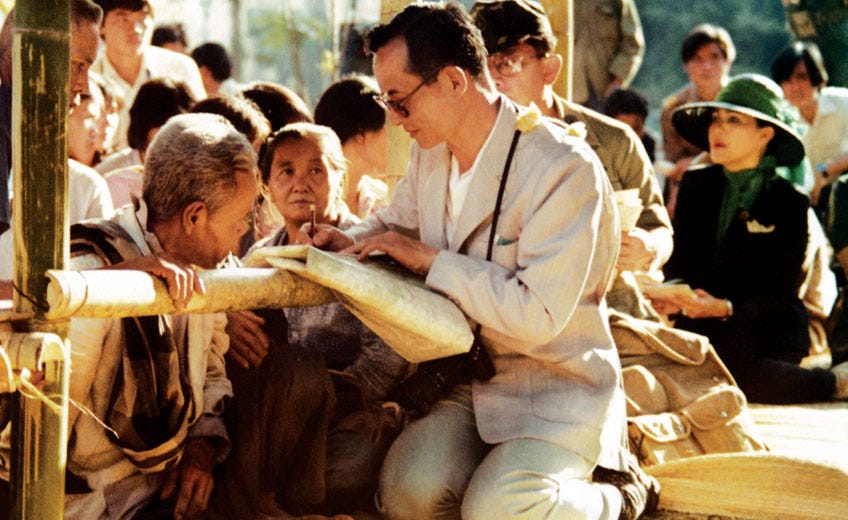
Many of the King’s projects began by visiting rural and mountainous areas and listening directly to the voices of the local people.
Water Resource Management Project
● Proposal for alternative crops
● Job creation through the Royal Project
●Improved access to education and medical care
These are not just “charities”
Social technology that transforms the structurally vulnerable into self-sufficient individuals
It was.
This is why King Bhumibol is called the “King of Development.”
■ 4. Why do leaders who protect the weak stabilize a country?
Modern leadership theory supports the idea that reaching out to the weakest members of society creates the strongest.
King Bhumibol’s philosophy anticipated this perspective.
●The lives of the vulnerable will become more stable → The risk of migration, security, and rebellion will decrease
●Regions become independent → National productivity is improved
●Psychological stability of the people → Strengthening unity throughout society and building long-term trust
Saving the weak is akin to developing a nation’s “social infrastructure.”
■ 5. The "quiet leadership" the world needs today
In a world where excessive populism and short-term politics tend to attract attention,
King Bhumibol showed us
A leader who is not loud, but deep and persistent
is.
This also suggests the universal message that “policies for the weak create the strongest nations.”
■ Conclusion
King Bhumibol’s philosophy was not a story of charity, but rather an extremely practical national strategy of “building stability from the bottom up in society.”
Saving the weak is saving the future of the country.
This philosophy continues to hold value that leaders, not only in Asia but around the world, can learn from.